Analyzing the Scenery Featurette and Newly Confirmed Photo Mode in Resonance: A Plague Tale Legacy
Asobo Studio's latest video teaser reveals breathtaking environments spanning Venice to Crete, alongside the official confirmation of a day-one Photo Mode and fresh Collector's Box details.
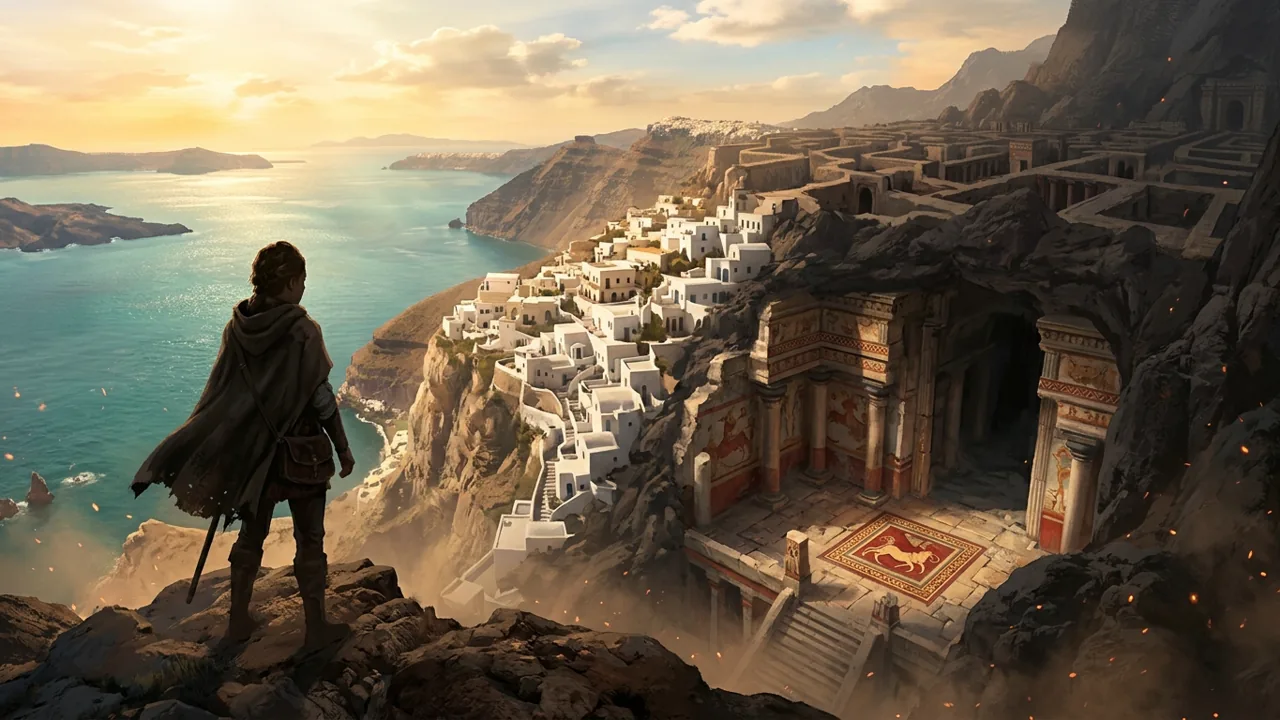
As the August 27, 2026 release date approaches for Resonance: A Plague Tale Legacy, Asobo Studio continues to trickle out engaging details that distinguish this standalone prequel from the de Rune family saga. Arriving on PlayStation 5, Xbox Series X|S, and PC, alongside a day-one launch on Xbox Game Pass, the title is already positioned as a major late-summer blockbuster. While recent marketing beats have heavily emphasized the shift toward athletic, one-against-many melee encounters, a newly released video featurette titled “The scenery” intentionally shifts the spotlight back to the studio’s undisputed strength: breathtaking world-building and atmospheric environmental design.
The brief but dense featurette provides a sweeping tour of the primary biomes our new protagonist, Sophia, will traverse. According to the footage and accompanying official social media posts, players will journey through the bustling canals of Venice, establish a sprawling base camp, explore the isolated shores of the island (historically known as Crete), and survive a series of subterranean “eerie places.” Alongside these striking location reveals, the studio dropped a highly requested confirmation that a dedicated Photo Mode will be fully operational at launch.
The Venetian Smuggler’s Origins
Before Sophia sets foot on the Minotaur’s island to uncover the ancient origins of the Macula, her story begins in Venice in the year 1334. The featurette opens with striking panoramic shots of the Italian coastal city, showcasing a vibrant, sun-drenched palette that starkly contrasts with the grim, mud-soaked battlefields of 14th-century France seen in Innocence and Requiem. Venice, in this era, is a thriving hub of maritime trade, extreme wealth, and clandestine activities, making it the perfect thematic backdrop for a protagonist who makes her living as an opportunistic smuggler.
From a structural standpoint, the Venetian canals, layered rooftops, and tight cobblestone alleyways appear perfectly designed to function as an intricate tutorial ground for the game’s updated stealth mechanics. Navigating balconies, utilizing climbing points, and slipping past local guards in these dense urban environments will likely set the baseline for Sophia’s maneuverability. The proprietary engine rendering the water reflections and the crumbling grandeur of Renaissance architecture demonstrates a clear generational leap in graphical fidelity, fully utilizing the processing power of current-generation hardware to paint a living, breathing city.
Exploring the Island and the Camp
The narrative core of the prequel inevitably pulls Sophia away from her lucrative life in Italy and across the Aegean Sea to the island of Crete, pushing her to search for answers regarding her own connection to the ancient Prima Macula curse. The scenery featurette highlights a massive, rugged landscape dominated by ancient Greek and Minoan architecture. The visual identity here is heavily rooted in the mythology of the endless labyrinth, featuring towering marble pillars, sun-bleached ruins, and overgrown Mediterranean flora slowly reclaiming the forgotten civilization.
One specific location mentioned explicitly in the teaser is “the camp.” Based on preliminary community analysis, this camp might serve as a central hub or a safe zone where Sophia regroups between high-stakes expeditions into the deeper labyrinth. If Resonance incorporates a hub-and-spoke level design structure, it would mark a significant departure from the strictly linear, chapter-based progression of previous titles. This could potentially offer a dedicated space to upgrade smuggling gear, interact with key NPCs, and piece together the lore fragments scattered across the island. The sweeping vistas shown from the camp’s cliffside vantage point underscore the sheer scale of the island, promising a massive footprint for players to explore.
The Arrival of Photo Mode
For a franchise universally praised for its staggering art direction and cinematic framing, the lack of a comprehensive photo mode at the launch of previous entries was a frequent point of community feedback. Asobo Studio has heard the player base loud and clear. The explicit confirmation of a Photo Mode available on day one is a massive win for virtual photographers, content creators, and fans who simply want to admire the scenery.
Given the intense visual diversity showcased in the teaser—from the warm, golden hour lighting of the Aegean coast to the oppressive darkness of the ancient ruins—players will have no shortage of breathtaking material to capture. Industry standards suggest we can expect a robust suite of tools, likely including adjustable focal lengths, depth of field sliders, exposure controls, and custom color grading filters designed specifically for the Mediterranean setting.
However, the most exciting community speculation revolves around how this feature might integrate with the game’s defining dual-timeline “Resonance” mechanic. If players can dynamically shift the environment between the ruined state of 1334 and the pristine, ancient Minoan era during standard gameplay, will the Photo Mode allow users to freeze time and toggle between these two timelines instantly? Being able to frame a single shot and observe how the architecture, lighting, and atmosphere drastically change across centuries would elevate this tool far beyond a standard camera feature. While currently unconfirmed, the potential for timeline-bending photography is immense.
Descending into Eerie Places
The featurette is careful not to show too much of the endgame, labeling the deepest sections of the game simply as “eerie places.” Longtime fans of the series know exactly what lies in the dark. The Prima Macula is not merely a biological disease; it is an ancient, corrupting force that violently alters the earth itself. As Sophia ventures deeper into the subterranean cisterns and the true heart of the Minotaur’s labyrinth, the sunlit beauty of the surface will give way to claustrophobic dread.
These underground environments are where the survival horror elements will likely peak. The series’ signature rat swarms thrive in the absolute dark, and the island is reportedly haunted by a relentless, unknown “presence” that hunts intruders. The lighting design in these eerie places will serve as both a masterclass in atmospheric tension and a critical gameplay boundary. Players will need to master complex light puzzles using Sophia’s stolen Minoan orb to carve temporary safe paths through the shadows. The stark contrast between pitch-black caverns and the intense, magical glow of the orb should result in some of the most visually striking and tense survival moments in the entire campaign.
IGN Store Exclusive Collector’s Box Details
In parallel with the scenery reveal, physical collectors received a substantial update regarding high-end merchandise. Recent reports from MSN and IGN confirm that an exclusive Resonance: A Plague Tale Legacy Collector’s Box is now officially available for pre-order via the IGN Store. While previous announcements detailed a standard collector’s edition, this specific storefront exclusive adds some fascinating, tangible lore implications to the mix.
The most notable inclusion is a detailed physical figurine featuring Sophia alongside a figure explicitly referred to as “Theseus.” In classic Greek mythology, Theseus is the legendary hero who navigated the labyrinth to defeat the Minotaur. The inclusion of a character named Theseus in physical merchandise has ignited massive speculation across forums and social media.
Is this “Theseus” an actual living character in the 1334 timeline, perhaps a codename for a fellow smuggler or a crucial ally who fights alongside Sophia? Or, more intriguingly, does this confirm that the ancient timeline segments are fully playable, with the historical Theseus serving as the protagonist of the past era? Alternatively, it could be a symbolic representation of Sophia taking on the mantle of the mythical hero to conquer the island’s curse. The premium box also includes high-quality art prints mirroring the environments shown in the recent featurette, as well as a wearable, adjustable metal ring replica. Items like the ring often tie directly into crucial in-game artifacts, suggesting it may play a role in activating the Resonance mechanic itself. For those closely tracking everything we know about the game’s expanding physical editions, this IGN Store exclusive is a must-watch item.
Tactical Arenas Built for Combat
Ultimately, the stunning environments of Resonance serve a brutal, functional purpose. Moving away from the heavily stealth-reliant, highly vulnerable nature of Amicia and Hugo, Sophia is a hardened smuggler capable of facing direct threats head-on. The architecture of Venice and the Minoan ruins are meticulously designed to accommodate this aggressive shift in pacing.
The wide courtyards and multi-tiered ancient amphitheatres provide the necessary spatial freedom for the game’s new combat mechanics. Players will frequently find themselves in desperate one-against-many situations, relying on precise timing and supreme environmental awareness. The ruined marble pillars and crumbling walls offer perfect opportunities to break an enemy’s line of sight, aggressively reposition, and execute a flawless string of cinematic counterattacks. If the updated parry system is as fluid and brutal as recent previews suggest, funneling aggressive mercenaries or infected cultists into the narrow chokepoints of the labyrinth will become a crucial, satisfying survival tactic.
Asobo Studio is clearly signaling that Resonance: A Plague Tale Legacy is not just a narrative bridge to the older games, but a massive, visually diverse epic in its own right. With a confirmed Photo Mode to capture the journey and mysterious new characters like Theseus entering the fray, the road to the August release is paved with immense potential.