Resonance: A Plague Tale Legacy – Community Discoveries, "God Mode," and DLSS 5 Performance
Explore the latest community discoveries for Resonance: A Plague Tale Legacy, including the reportedly hidden God Mode, DLSS 5 performance on PC, and campaign length insights.
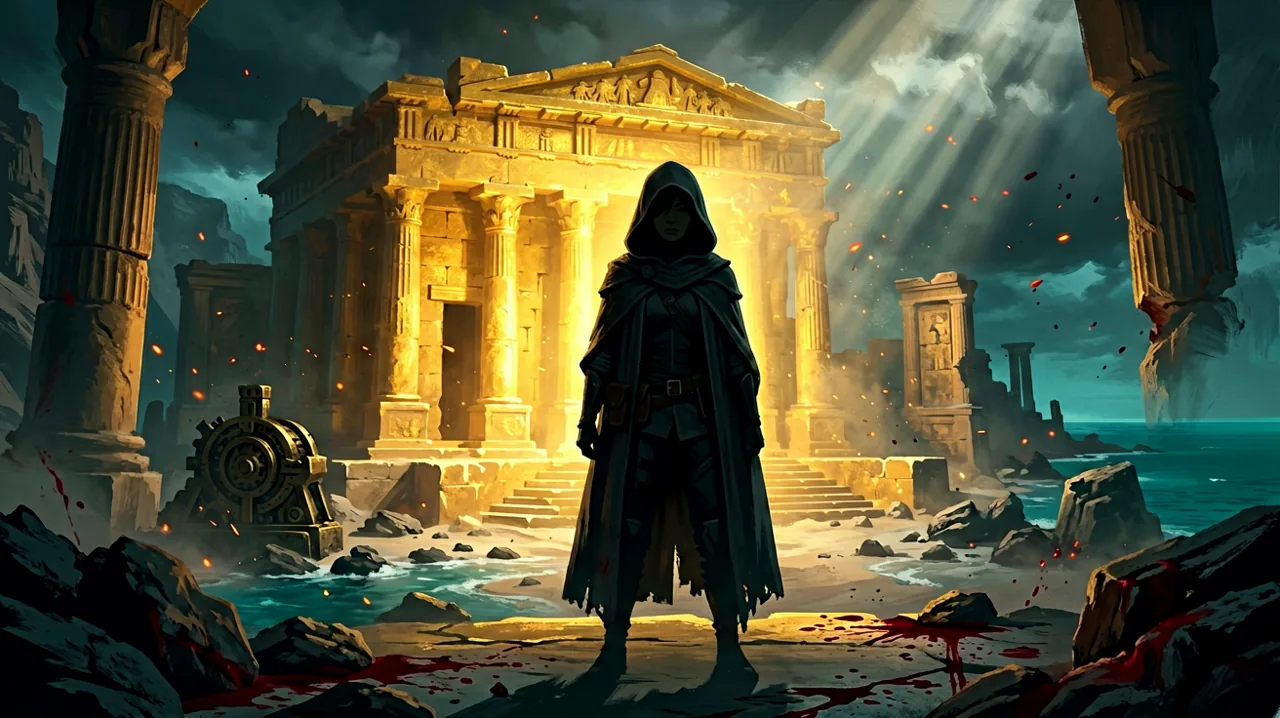
Asobo Studio and Focus Entertainment have successfully transported players back to the dark and unforgiving world of 1334 with Resonance: A Plague Tale Legacy. Set roughly fifteen years before the harrowing events of A Plague Tale: Requiem, this standalone prequel shifts the geographical focus away from France to the sun-drenched, yet deeply sinister, island of Crete. Stepping into the boots of Sophia, the cunning and resourceful Venetian smuggler, fans have been delving deep into the mythological labyrinth of Knossos, manipulating the stolen Minoan Sphere, and unraveling the grim and terrifying origins of the Prima Macula.
Since the title’s launch on August 27, 2026, across PlayStation 5, Xbox Series X|S, and PC—along with a highly anticipated Day One debut on Xbox Game Pass—the passionate community has been hard at work. From uncovering hidden gameplay mechanics and testing the game’s ultimate technical boundaries to debating the overall pacing of the narrative, the player base is leaving no stone unturned in the Aegean Sea. Today, we are breaking down the most significant recent community discoveries, ranging from an allegedly hidden accessibility feature to mind-blowing next-generation performance benchmarks.
The Secret to Survival: The Community-Reported “God Mode” Toggle
One of the most defining and praised aspects of Resonance: A Plague Tale Legacy is its bold shift toward brutal, action-oriented melee combat. Unlike Amicia de Rune’s desperate, ranged-focused survival tactics seen in Innocence and Requiem, Sophia engages her enemies in intense, adrenaline-fueled one-versus-many standoffs. The new combat system heavily relies on precise timing, utilizing tight parries and cinematic, visceral executions to clear rooms of hostile mercenaries. Furthermore, the game’s stealth segments have evolved into high-stakes horror sequences, requiring players to quietly navigate the terrifying, unseen “Presence” lurking in the island’s pitch-black shadows.
However, not every player is looking for a grueling, edge-of-your-seat challenge. Recently, trophy hunters and eagle-eyed community members on platforms like Reddit have highlighted a reportedly hidden accessibility feature buried deep within the game’s settings: a toggle affectionately dubbed by players as “God Mode.” According to early player reports, activating this accessibility modifier significantly reduces the heavy penalties usually associated with missed parries and makes Sophia almost completely impervious to standard enemy strikes.
For those who are strictly interested in absorbing the rich narrative and piecing together the intricate lore surrounding the ancient curse of the Prima Macula, this feature is an absolute blessing. It allows fans to effortlessly experience Sophia’s witty and emotional banter with her mysterious companion, Leni, and to focus entirely on the mind-bending dual-timeline “Resonance” mechanic without the constant frustration of repeated game-over screens. While it is expected that relying on such extreme modifiers might disable certain difficulty-related achievements or internal accolades, numerous players have reported successfully popping their Platinum trophies even after tweaking these accessibility options. If you are struggling with the harsh timing of Sophia’s counter-attacks or simply want to experience the story unimpeded, you might want to investigate the accessibility tab for this community-reported lifesaver. For more traditional tips on mastering the blade without the use of assists, check out our dedicated Combat Deep Dive.
Campaign Length and Pacing: Short, Sweet, and Highly Rated
With Resonance readily available on Xbox Game Pass, millions of subscribers have been eager to know exactly how much time they need to dedicate to Sophia’s Mediterranean journey—especially those players looking to roll credits before their current monthly subscriptions expire. Prior to the game’s global launch, developer communications and early previews suggested a fairly robust runtime of around 20 hours to see everything the island of Crete had to offer. However, as the dust settles and more players reach the credits, the community consensus is painting a slightly different picture regarding the game’s length.
Players discussing their final completion times on various global forums have noted that a highly focused playthrough of the main narrative might feel significantly shorter than that 20-hour estimate, particularly if players purposefully bypass optional side content, ignore the collectible lore fragments, or utilize the aforementioned accessibility features to speed through combat arenas. Many veterans of the series have described the campaign as “short but incredibly sweet,” pointing out that what the game might lack in bloated, formulaic open-world filler, it more than makes up for in exceptional pacing, zero downtime, and world-class level design.
This tight, no-nonsense narrative focus is clearly resonating with the broader player base. Just two weeks post-launch, Resonance: A Plague Tale Legacy debuted on the popular game-tracking website Backloggd with an astonishingly impressive average rating of 4.0 out of 5 stars. Fans across the globe are heavily praising the phenomenal, emotionally charged voice acting by Anna Demetriou, the gripping and mature storyline, and the seamless, puzzle-box integration of the glowing Minoan Sphere. While some vocal players who purchased the physical Heritage Pack at full retail price have lamented the arguably shorter runtime, the overwhelming majority agree that the concentrated, high-quality storytelling makes it an absolute must-play experience that respects the player’s time. For more background on the narrative setup before you jump in, visit our comprehensive Story Primer.
Pushing Next-Gen Boundaries: DLSS 5, PS5 Pro, and the Minoan Sphere
Asobo Studio has historically been known for pushing the extreme boundaries of graphical fidelity and engine optimization, and Resonance is absolutely no exception to this rule. The game’s primary setting—the brilliant, sun-drenched shores and turquoise waters of the Aegean Sea harshly contrasting with the pitch-black, rat-infested, claustrophobic depths of the Minoan ruins—demands a remarkably powerful and versatile game engine. Recently, the PC gaming community has been incredibly vocal about the game’s breathtaking optimization when paired with top-tier modern hardware.
Over on specialized PC hardware forums, users equipped with the newly released, ultra-powerful RTX 5080 graphics cards have been eagerly showcasing the game running seamlessly with Nvidia’s cutting-edge DLSS 5 technology. The community verdict on this technical marvel is unanimous: the visual leap is staggering. Players have excitedly described the experience as being entirely akin to “playing a high-budget live-action movie.” The precise way the stolen Minoan Sphere dynamically casts warm, volumetric light across the ancient, crumbling stone walls of the labyrinth is reportedly a technical sight to behold. More importantly, DLSS 5 seems to flawlessly handle the game’s highly demanding dual-timeline shifts—where the environment must instantly and seamlessly transition between the glorious ancient Minoan era and the decaying reality of the 14th century—with absolutely zero stutter, maintaining sky-high framerates even during the most chaotic, multi-enemy melee encounters.
Naturally, console players are not left out of this incredible visual feast. Those experiencing Sophia’s journey on the PS5 Pro have consistently highlighted the incredible, industry-leading art direction. The game’s robust photo mode has become a massive, viral hit, with the community actively flooding social media feeds with stunning, cinematic captures of Sophia standing stoically over the labyrinthine ruins of Knossos. Whether you are playing on a liquid-cooled, high-end PC rig or the absolute latest console hardware, the technical and artistic prowess on display firmly establishes Resonance as a true next-generation graphical showcase. For a breakdown of the optimal PC specifications, refer directly to our System Requirements page.
Critical Acclaim Continues to Roll In
As more and more media outlets finally publish their extensive, deep-dive reviews, the critical consensus for Resonance: A Plague Tale Legacy continues to steadily climb. While the game currently sits at a very solid and respectable 80 on Metacritic, recent retrospectives and long-form analytical pieces are passionately arguing that the game deserves significantly more of the mainstream spotlight.
The popular gaming media outlet Beebom recently published a glowing, highly positive review aptly titled “A Grim New Chapter That Deserves More Attention,” heavily praising the undeniably bold new direction Asobo Studio took by choosing to step away from the established safety of Amicia and Hugo’s storyline. The review specifically highlights how the brilliant introduction of the dual-timeline “Resonance” mechanic completely revitalizes the series’ traditional environmental puzzle formula, actively forcing players to think laterally across two entirely different historical eras to unlock the darkest secrets of the Prima Macula.
Similarly, the critics over at The Punished Backlog released a fascinating analytical piece titled “Theseus’ Kaleidoscope,” which serves as a fitting and poetic metaphor for the game’s highly complex, constantly shifting underground labyrinth. The review applauds the surprising thematic depth of Sophia’s personal journey, noting exactly how the talented developers cleverly subverted traditional, well-known Minoan myths to perfectly fit the dark, grounded, and rat-infested universe of A Plague Tale. It is abundantly clear that the creative decision to craft a standalone prequel was a massive success, offering both hardened series veterans and curious newcomers a fresh, compelling, and unforgettable entry point into the beloved franchise.
Final Thoughts on the Legacy
Whether you are happily utilizing the community-reported accessibility toggles to breeze safely through the harrowing story, marveling at the astonishing DLSS 5-enhanced lighting on a top-tier PC, or simply enjoying the tightly paced, expertly crafted narrative via your Xbox Game Pass subscription, Resonance: A Plague Tale Legacy genuinely offers something special for everyone. Asobo Studio has definitively proven that the grim Plague Tale universe is rich and expansive enough to support incredibly compelling, standalone stories far beyond its original iconic protagonists.
As the dedicated community continues to bravely explore every dark, rat-infested corner of the island of Crete, we can absolutely expect even more hidden Easter eggs and gameplay secrets to be unearthed in the coming weeks. Keep your Minoan Sphere fully charged, keep your smuggler’s blades incredibly sharp, and stay tuned to the wiki for more breaking updates and comprehensive strategies on surviving the island’s many ancient terrors. If you are just now starting your perilous journey into the labyrinth, be sure you do not miss our extensive Beginner’s Guide to hit the ground running.