Resonance: A Plague Tale Legacy Beginner's Guide
New to the series or starting Resonance fresh? This beginner's guide covers what kind of game it is, the basics of combat, stealth and puzzles, and tips to get the most out of your first hours on Crete.
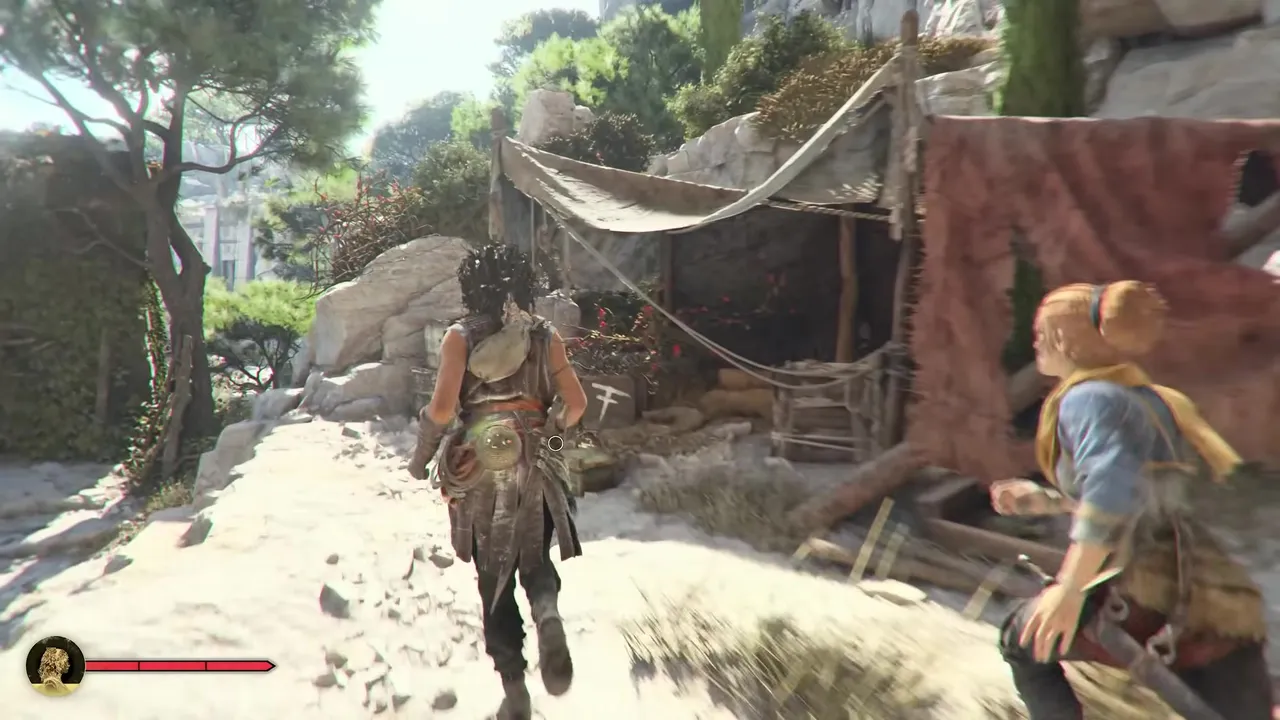
So you’re starting Resonance: A Plague Tale Legacy with little or no history with the series. Good news: it’s built for exactly that. Asobo designed this as a standalone prequel you can pick up cold, and the new protagonist means there’s no homework required. This guide gets you oriented — what kind of game this is, what to expect from the moment-to-moment, and a handful of tips to make your first few hours on Crete go smoothly.
What kind of game is this?
Resonance is a single-player, story-driven action-adventure played from a third-person perspective. It’s linear in the good way — a crafted, paced narrative with handcrafted set-pieces — but with wider, more explorable spaces than a strict corridor. Think of it as a cinematic adventure with three main pillars: combat, stealth/evasion, and puzzles, all wrapped in a heavy, atmospheric story.
If you’ve played the earlier Plague Tale games, the big change is that the lead can fight. If you haven’t, just know going in that this is a tense, often dark game about a young woman uncovering an ancient curse — beautiful to look at, but not a cosy time.
The three things you’ll be doing
Fighting. Sophia is a trained brawler. Combat revolves around timed parries, counterattacks and finishing moves, including fights against several enemies at once. It’s the most mechanically demanding part of the game, and it’s worth slowing down early to learn the rhythm rather than mashing. Our combat guide goes deep.
Sneaking and surviving. Not every threat can be fought. The island hides a presence that hunts you, and against it the game wants you to evade, hide and run. Stealth also lets you even the odds before a fight. See the stealth guide.
Solving puzzles. Sophia carries a Minoan sphere that manipulates light, and the ruins are full of light-based puzzles and ancient mechanisms. These are about observation more than reflexes. The light puzzle guide explains the approach.
Tips for your first hours
A few things that will serve any newcomer well:
- Slow down and learn combat properly. The instinct to panic-dodge everything will get you killed once groups show up. Spend the early, easy fights actually practising your parry timing. It pays off enormously later.
- Explore the edges. Plague Tale games hide resources, lore and little story beats off the main path. Wider areas reward poking around — check side rooms and dead ends before you push forward.
- Watch the light. Light is mechanically and visually central — it solves puzzles, it hides you, it guides you. Train yourself to notice where it falls and where it doesn’t.
- Listen. Olivier Deriviere’s score and the sound design aren’t just atmosphere; audio cues often telegraph danger, the presence, and shifts in tone. Headphones genuinely help.
- Read the room before committing. Whether it’s a fight, a stealth section or a puzzle, the best first move is almost always to stop, look, and plan rather than charge in.
On difficulty
We don’t have the full difficulty options confirmed yet, but the previous games offered accessibility and difficulty settings, and a narrative-focused studio like Asobo tends to want everyone to be able to finish the story. Expect options that let you tune the combat challenge up or down. If the fighting frustrates you, that’s almost certainly adjustable — don’t bounce off the game over one tough encounter.
Settling into the world
The thing that hooks most people on this series isn’t a mechanic — it’s the mood. The way light pours through a ruined temple, the dread of the dark, the bond between characters, the sense of history pressing down on a small, desperate person. Resonance trades France for the Mediterranean and gives you a lead who fights back, but that core feeling — beauty and horror tangled together — is the reason to be here.
Give yourself over to it. Don’t rush. Let the atmosphere do its work, learn the combat without frustration, and you’ll have one of the most distinctive adventures of 2026 on your hands.
When you’re ready to go deeper, the everything we know hub links out to every guide, character profile and lore page on the site. Welcome to Crete.
Frequently asked questions
Do I need to play the other Plague Tale games first?
No. Resonance is a standalone prequel with a new protagonist and a self-contained story. Veterans will catch extra references, but newcomers can start here comfortably.
Is Resonance hard?
It's an action-adventure with real combat now, so expect more mechanical challenge than the stealth-only earlier games — but it's a narrative-driven title, not a Souls-like, and should offer difficulty options.