Why Resonance: A Plague Tale Legacy is Drawing Major 'Uncharted' Comparisons
Discover why Resonance: A Plague Tale Legacy is earning Uncharted comparisons, featuring Sophia's action-heavy Crete adventure and the tragic Minotaur lore.
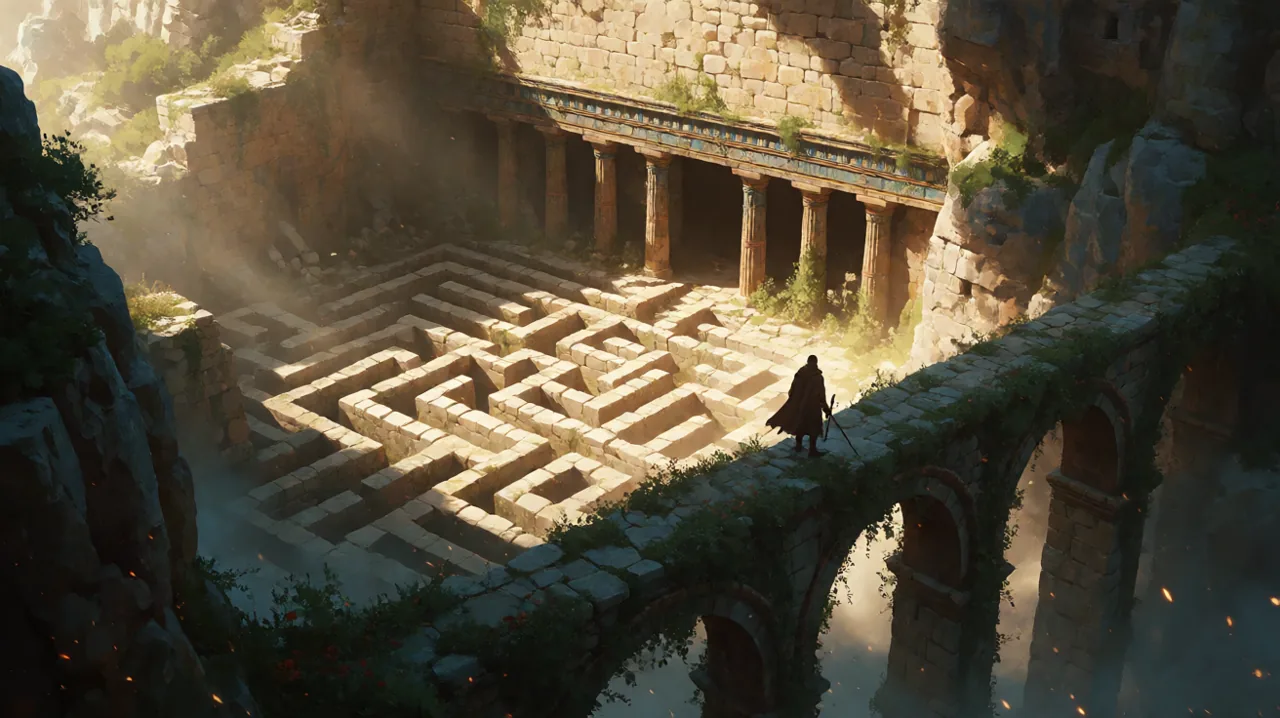
The discourse surrounding Asobo Studio’s massive prequel, Resonance: A Plague Tale Legacy, has taken a fascinating turn in the weeks following its global launch. With players finally rolling credits on Sophia’s journey through the Mediterranean, a robust community consensus is forming—and it separates this installment significantly from the grim, mud-soaked fields of its predecessors, Innocence and Requiem. While the dreaded Prima Macula still thrums beneath the surface and the subterranean rat hordes remain an ever-present, terrifying threat, critics and fans are pointing toward a profound structural shift. One particular headline perfectly summarized this growing sentiment, boldly declaring that Resonance is “the Uncharted game we’ve all been waiting for.”
At first glance, comparing a notoriously bleak, historically-grounded survival horror franchise to a swashbuckling, popcorn-action blockbuster series feels incredibly jarring. Yet, analyzing recent community impressions from players finishing the campaign, the comparison holds immense thematic and mechanical weight. From the vertical environmental traversal to the protagonist’s roguish background, Asobo has crafted a cinematic, sun-drenched adventure that intentionally borrows elements from classic treasure-hunting tropes. But what makes this evolution so striking is how the developers twist those familiar adventure mechanics into a quintessential Plague Tale tragedy.
The Smuggler’s Charm in a Ruined World
The most immediate departure from the previous titles is found in the protagonist herself. Amicia de Rune was a sheltered French noble desperately reacting to unimaginable trauma, constantly hunted by the Inquisition and forced to adapt to brutal violence out of pure desperation. Her entire narrative was fundamentally reactive. Sophia, on the other hand, enters the story as an established, formidable entity—a seasoned Venetian smuggler operating within the treacherous underworld of the Aegean Sea in 1334. She already knows how to navigate mortal danger, negotiate with cutthroats, and survive purely by her wits.
This specific archetype intrinsically alters the tone of exploration. When Sophia scales a crumbling Minoan aqueduct or utilizes her grappling hook to swing across a deadly chasm, she does so with the calculated confidence of an experienced adventurer. The blockbuster DNA becomes highly visible in how she interacts with the environment. The Isle of Crete offers staggering verticality and gorgeous, sun-drenched Mediterranean vistas that stand in stark contrast to the oppressive, plague-ridden landscapes of 14th-century France. There is a sense of genuine historical tourism here, as players explore the mythical Knossos ruins, ancient forgotten catacombs, and towering cliffside temples.
Players are overwhelmingly noting how much they enjoy this environmental pacing. As one Reddit user pointed out in their post-game review, the sheer art direction and breathtaking vistas make the exploration an incredibly pleasant surprise. The extensive banter she shares with her companions brings a lighter, far more adventurous energy to the downtime between harrowing combat encounters. Sophia feels like a charismatic rogue searching for answers, channeling that classic treasure-hunter swagger right up until the grim reality of the Macula drags the narrative back into survival horror.
From Hunted to Hunter: The Combat Evolution
The comparison to sweeping action-adventure titles is further reinforced by the overhauled combat system. Both Innocence and Requiem were heavily defined by severe physical vulnerability. Amicia primarily relied on stealth, her trusty slingshot, and environmental manipulation to bypass heavily armored guards. Direct, close-quarters confrontation was usually a guaranteed death sentence.
Resonance pivots incredibly hard into action-oriented melee, a mechanical shift that many franchise purists were initially skeptical about prior to launch. Yet, post-launch community consensus confirms that this transition into athletic action has been highly successful. Players are consistently praising the brutal, close-quarters parry system and the fluid execution mechanics that define Sophia’s fighting style. She isn’t simply cowering in the tall grass waiting for a mercenary patrol to pass; she is fully capable of taking on multiple armed enemies in a courtyard, utilizing her dual blades, swift evasions, and vertical takedowns.
This structural shift aligns perfectly with the broader action-adventure genre. The combat arenas are substantially wider, offering grappling hook escape routes, dynamic lighting hazards to manipulate, and environmental traps. You are not just barely surviving; you are actively fighting your way through ancient ruins to uncover a lost truth. The mechanics demand aggression and precise timing, rewarding players who master the tight parry windows with cinematic executions that would feel right at home in a high-octane action thriller. You can find more specific details on mastering these mechanics in our dedicated combat guide.
Puzzles, Light, and the Dual Timelines
No great adventure game is complete without navigating ancient, overly complex mechanisms, and Resonance delivers on this front brilliantly. The newly introduced Minos orbs and the dual-timeline “Resonance” mechanic replace the traditional rat-manipulation puzzles of the previous games with something far more mystical and grand in scale.
Instead of merely lighting scattered braziers to clear a desperate path through a sea of rodents, Sophia uses the stolen Minos orbs to manipulate vast arrays of light across massive, multi-tiered puzzle rooms. The “Resonance” system, which allows players to temporarily peer into the past to see how the Minoan structures functioned before their violent collapse, adds a deep investigative layer to the exploration. You are essentially acting as an archaeologist, piecing together the functional reality of a society that was wiped out by a horrific curse centuries ago.
This specific puzzle design inherently mimics the classic tomb-raiding sequences found in genre-defining adventure games. Players must align ancient solar mirrors, restore water flow to flooded subterranean chambers, and decipher cryptic symbols left behind by the island’s former inhabitants. It provides a highly satisfying intellectual break from the brutal melee combat, creating a rhythmic pacing that defines the best games in the genre. You fight a mercenary faction, explore a stunning vista, solve a massive environmental puzzle, and slowly uncover the next piece of the island’s dark history.
The Devastating Lore Payoff: Myth vs. Reality
However, Asobo Studio goes out of its way to ensure that players never forget what bleak universe they are actually inhabiting. While the core gameplay loop and environmental design may heavily evoke the thrill of a swashbuckling treasure hunt, the overarching narrative remains a deeply tragic, heartbreaking Plague Tale story at its core.
The most prominent discussion point among players who have finally rolled the credits is how the game expertly handles the Greek myth of the Minotaur. In traditional lore, Asterion (the Minotaur) was a monstrous, unnatural beast kept deep within the Labyrinth, eventually slain by the hero Theseus with the vital help of Ariadne. In Resonance, the subverted Minoan myth reveals a truth that is far more devastating, stripping away the mythological fantasy to expose a brutal biological reality.
As confirmed by emotional players sharing their post-game thoughts online, Asterion was not a monster at all—he was simply a young Carrier of the Prima Macula. The terrifying Labyrinth was never built to contain a mythical beast; it was a massive, subterranean quarantine zone designed specifically to trap the infected child and the resulting rat hordes. Furthermore, the historical roles of Theseus and Ariadne are completely recontextualized as desperate Protectors, fighting a losing battle to manage the curse and save the Carrier.
“Carriers and their protectors sure have it rough,” noted one player upon finishing the emotional campaign, highlighting the bitter, inescapable cyclical nature of the Macula. This revelation fundamentally changes how we view the events of the series evolution. Amicia and Hugo were not an anomaly; they were simply the latest victims in a long, forgotten history of immense suffering that stretches back to antiquity.
A Masterclass in Genre Blending
Resonance: A Plague Tale Legacy takes a massive creative risk by shifting the franchise’s tone toward grand action-adventure, but the ambitious gamble has clearly paid off. By adopting the pacing, exploration mechanics, and combat fluidity of a blockbuster adventure, Asobo Studio has made the eventual emotional gut-punch even more effective.
The bright, sun-drenched vistas of Crete and Sophia’s confident swagger intentionally lull the player into a false sense of security. You truly feel like a powerful adventurer uncovering ancient, legendary secrets, right up until the narrative brutally reminds you that in the world of A Plague Tale, ancient secrets are usually soaked in unimaginable sorrow. The profound tragedy of Asterion, Ariadne, and Theseus resonates deeply, serving as a bleak, brilliant preamble to the horrors that Amicia and Hugo will face centuries later.
Whether you are here for the kinetic, parry-heavy combat or the devastating lore implications regarding the Prima Macula, Resonance proves that a beloved franchise can completely overhaul its gameplay identity without losing its dark, beating heart. It is a cinematic thrill ride that ultimately delivers the emotional devastation fans demand, establishing itself as an absolute must-play for both returning fans and newcomers to the series.