Resonance Combat Guide — Parries, Finishers & Fighting Smart
A complete combat guide for Resonance: A Plague Tale Legacy — how Sophia's melee system works, mastering parries, finishing moves, one-versus-many fights and how it differs from Innocence and Requiem.
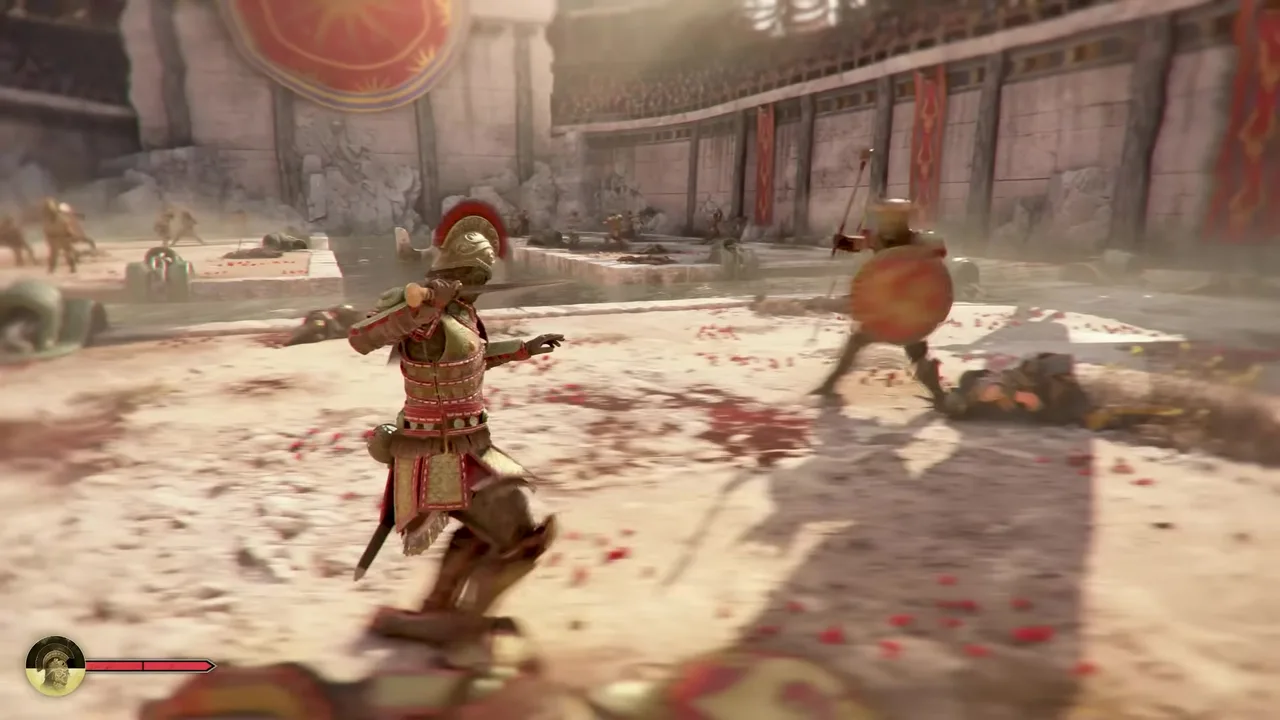
For two games, combat in A Plague Tale meant one thing: don’t. Amicia could brain a guard with a rock or set him on fire if she was clever, but a straight fight was a death sentence and the game made sure you knew it. Resonance throws that rulebook out the window. Sophia is a fighter, the combat is a real system with depth, and learning it properly is the difference between feeling like a cornered animal and feeling like the most dangerous thing on the island.
This guide breaks down what we know about how that combat works and how to think about it. Some of this is drawn from pre-release trailers and developer interviews, so I’ll flag where we’re reading the footage rather than the final game.
The core loop: parry, punish, finish
At its heart, Sophia’s combat is a timing game. The footage shows a system built around three beats:
- Parry — deflect an incoming attack with precise timing, opening the enemy up.
- Punish — land your own strikes in the window you just created.
- Finish — when an enemy is sufficiently worn down, trigger a brutal finishing move to remove them from the fight for good.
If you’ve played any modern action game with a parry — think Sekiro’s deflects, or the counters in God of War — the muscle memory transfers. The key mental shift from older Plague Tale games is that you’re not looking for an escape route, you’re looking for an opening. Aggression, timed correctly, is safety.
Parrying is the whole game
I cannot overstate this: parry timing is the skill that carries everything else. Developer descriptions repeatedly emphasise perfecting your parries, and the trailers show Sophia deflecting strikes and immediately countering. Expect:
- A tight defensive window that rewards reading enemy wind-ups rather than mashing block.
- Different tells for different enemy types — a heavy spear thrust telegraphs differently from a quick sword slash, and you’ll need to learn each.
- Likely unparryable attacks (a common design pattern) that must be dodged or sidestepped instead, forcing you to actually watch the enemy rather than turtle.
Practically, the advice is the same as any parry-driven game: watch the enemy, not your own character. Your eyes should be locked on the weapon that’s about to hit you, learning the rhythm of the swing. Panic-parrying early is the most common way to eat a hit.
Fighting more than one enemy
The trailers make a point of showing one-against-many encounters — Sophia surrounded by soldiers in a courtyard, dealing with threats from multiple directions. This is where a lot of action games fall apart, and where positioning becomes everything.
Some principles that almost certainly apply:
- Keep moving and keep enemies in front of you. Back yourself toward a wall or a chokepoint so you can’t be surrounded. Open ground with four enemies is how you die.
- Don’t tunnel-vision on one target. In a group fight, the enemy you’re not looking at is the one who kills you. Stay aware of wind-ups happening at the edges of the screen.
- Use finishers to thin the herd. Every enemy you can fully remove is one less wind-up to track. Prioritise finishing weakened enemies over chipping at fresh ones.
- Reposition after a finisher. Finishing animations can lock you in place briefly; do them when you’ve got space, not in the middle of three angry spearmen.
Tools, environment and dirty tricks
This is still a Plague Tale game, and the series has always loved letting you turn the environment into a weapon. While Sophia trades the slingshot for a blade, expect the design DNA to carry through:
- Environmental kills and hazards — fire, drops, traps and the terrain itself.
- Distraction and misdirection to break up groups before a fight, so you’re never facing the full mob at once.
- Possibly thrown items or a ranged option for softening enemies or interrupting a charge, though the emphasis is clearly on melee.
The smartest players won’t treat combat as a pure duel. They’ll set the board first — thin the numbers, lure enemies into a hazard, fight on their own terms — and only then start parrying.
How it differs from Innocence and Requiem
If you’re coming from the earlier games, the adjustment is mental as much as mechanical. In Innocence and Requiem, being spotted was a problem to be solved with stealth or a quick, improvised kill. In Resonance, being spotted can be an invitation. Sophia can win that fight. That confidence reframes the whole experience: you explore more boldly, you take risks, and the dread comes less from “I am helpless” and more from “I am capable, but this place is still trying to kill me.”
That said, Asobo has been careful to say stealth and evasion remain part of the kit — particularly against the restless presence stalking the island, which is explicitly something you survive and flee rather than fight head-on. So the game isn’t a pure brawler. It’s a fighter who also knows when to disappear. Read our stealth and evasion guide for the other half of that coin.
Quick combat tips
- Lock your eyes on enemy weapons, not on Sophia.
- Treat parry as offense — it creates your damage windows.
- Never let a group surround you; fight near walls and chokepoints.
- Finish weakened enemies first to reduce the number of threats.
- Learn each enemy’s tells before you commit to aggression.
- When the “presence” shows up, stop fighting and start running.
We’ll turn this into a full, tested move-by-move breakdown once the game is in our hands. For the deeper mechanics, see the combat and parry system page.
Frequently asked questions
Is Resonance combat-focused?
Yes. Unlike Amicia and Hugo, Sophia is a trained fighter, and Resonance is built around a direct melee combat system with parries and finishers, including fights against multiple enemies at once.
Can you still play stealthily?
Stealth and evasion remain part of the toolkit, especially against the presence that hunts the island, but open combat is now a core, viable pillar rather than a failure state.