The Presence — The Myth at the Labyrinth's Heart
The Creature Behind the Myth
A restless presence hunts the Minotaur's island in Resonance: A Plague Tale Legacy — the terrifying creature behind the myth. Here's what we know about the monster at the centre of the labyrinth.
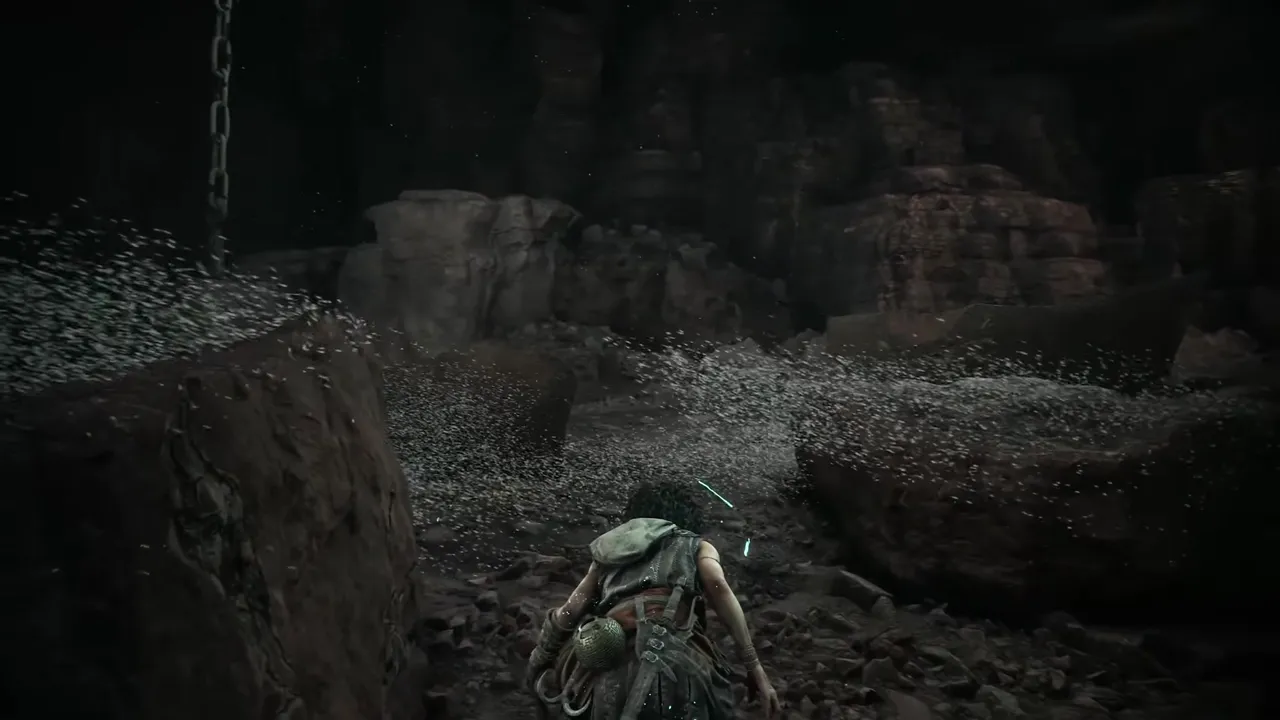
Confront the terrifying creature hidden behind the myth.
Every island has its monster, and Crete’s is the oldest in the book. Resonance: A Plague Tale Legacy sends Sophia to the Minotaur’s island, and at the heart of its mystery is exactly what the legend promises: a terrifying creature hidden behind the myth, a restless presence that hunts the labyrinth and the land around it.
This is the most deliberately veiled threat in the game, so this entry is marked expected. Asobo is clearly holding back its full reveal for the game itself — and we’d rather not spoil what little they’ve hinted at.
The restless presence
The official framing describes a “restless presence” that stalks the island while Sophia completes deadly trials, something she must evade and survive rather than confront in a straight fight. This is the threat that keeps the series’ signature dread alive even in a combat-forward game. Where the human Hunters are foes Sophia can answer with her blade, the presence is the thing in the dark she has to run from — the encounter where she’s vulnerable again, and where the horror lives.
The Minotaur connection
The mythological framing is impossible to ignore. Crete is the island of the Minotaur — the bull-headed monster of Greek legend, sealed by King Minos inside a vast labyrinth designed by Daedalus, fed on sacrifices, and finally slain by Theseus following Ariadne’s thread. Resonance leans directly into this. Sophia explores an endless labyrinth filled with hidden paths and forgotten secrets, navigating ancient trials, with the creature behind the myth waiting at its centre.
What makes this fascinating is how the game seems poised to fuse Greek myth with the series’ own Prima Macula mythology. The Minotaur isn’t just window-dressing — it’s likely a manifestation, an ancestor, or an echo of the same ancient curse that runs through the whole franchise. The “long-buried curse” the island hides and the legend of the labyrinth may turn out to be the same story told two ways.
How to survive it
Until we’ve played the game, specific survival tactics are speculation, but the design language is clear: this is a chase-and-hide threat, not a boss you trade blows with. Expect the same survival logic that serves you against any hunting presence — keep moving, break line of sight, use the darkness and the environment, and look for the level’s intended escape route rather than trying to fight. The stealth and evasion guide covers the mindset in detail.
Why it works
A monster you can’t fight is exactly what a combat-forward Plague Tale needs to keep its soul. By giving Sophia the power to destroy human enemies and something she’s helpless against, Asobo preserves the fear that defined Innocence and Requiem while letting the rest of the game feel empowering. The presence is the dread holding the whole design together — the reminder that for all Sophia’s skill with a blade, some things on this island are older and worse than anything steel can stop.
We’ll expand this entry carefully as the game reveals the creature on its own terms. Read about its domain on the labyrinth page, or the curse it may embody on the Prima Macula page.