Resonance Stealth & Survival Guide — Hiding From the Presence
Stealth still matters in Resonance: A Plague Tale Legacy. How to use evasion, the environment and misdirection to survive the presence that hunts the island — even in a combat-forward game.
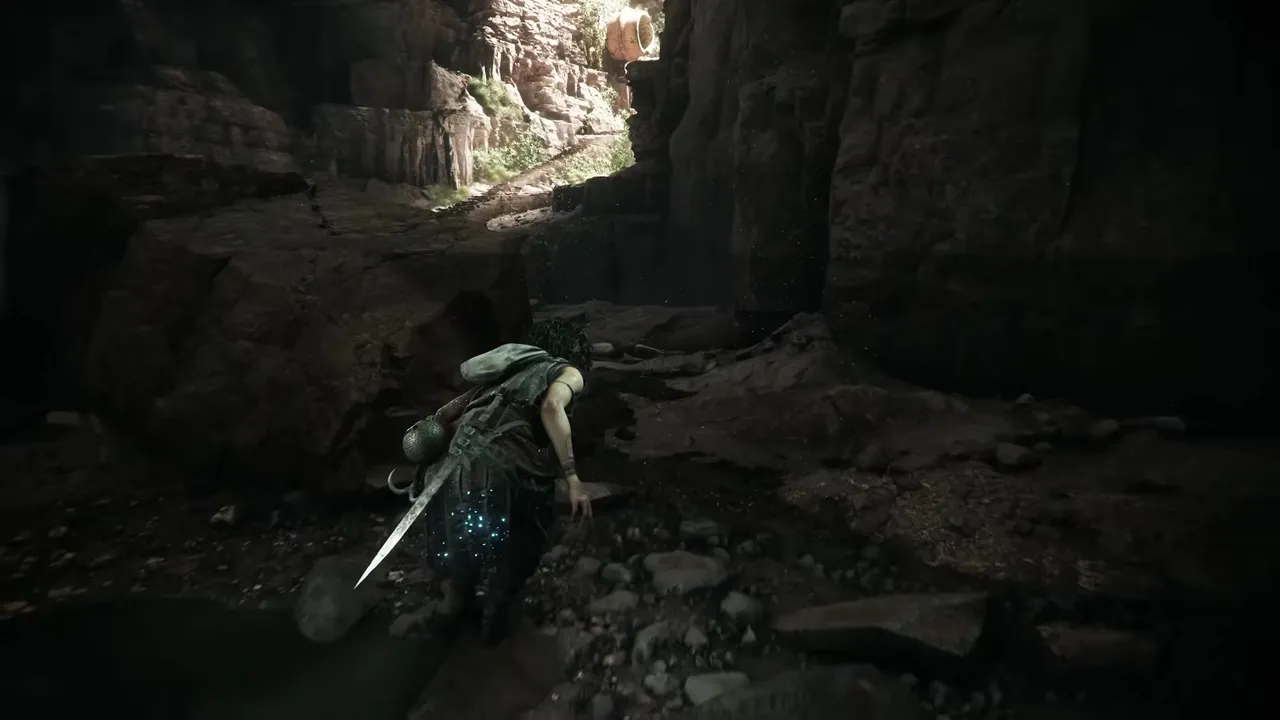
It would be easy to assume that giving Sophia a sword means Asobo threw out everything that made the first two games so tense. It didn’t. Stealth, evasion and that lovely held-breath dread are all still here — they’ve just been demoted from “the only way to survive” to “one of your options, and sometimes the only sane one.” Because there are things on this island you absolutely do not want to fight.
This guide covers how survival and stealth fit into a combat-forward Plague Tale, and how to read the moments where the smart move is to disappear.
When to fight and when to vanish
The mental model for Resonance is a toggle. Against human enemies — soldiers, hunters, the people chasing the bounty on Sophia’s head — you can stand and fight, and often you should. But the game also features a restless presence that stalks the island and completes deadly trials around you. That presence is framed as something you survive and evade, not something you trade blows with.
So the first survival skill is simply recognising which situation you’re in. A handful of soldiers? Set the board and fight. Something hunting you through the dark that the game very deliberately isn’t letting you target? Run, hide, and put distance and obstacles between you and it.
Core stealth tools
Drawing on series tradition and what the trailers show, expect your evasion kit to include:
- Light and shadow. The whole game is obsessed with light — the Minoan sphere, the god-rays, the darkness of the cisterns. Staying out of light, or using it to control where enemies look, is almost certainly central to hiding.
- Cover and sightlines. Crouch behind walls, ruins and rubble; break line of sight; move when the threat is looking away.
- Distraction and misdirection. Pull attention one way so you can slip the other. The earlier games leaned heavily on this, and it’s a natural fit for thinning groups before a fight too.
- Sound discipline. Moving carefully versus sprinting almost certainly changes how easily you’re detected.
Using the environment
Crete is built for this. The trailers show tight ruins, collapsed corridors, reed-choked waterways and pitch-black underground cisterns — all of it perfect for losing a pursuer. Some habits that will serve you well:
- Scout before you move. Stop at the edge of a space, watch patrol patterns, and plan your route through cover before committing.
- Know your exits. Never enter a chokepoint without knowing where you’re going next. The worst place to be spotted is somewhere with one way out.
- Use verticality and water. Climbing, dropping and wading all break sightlines and muffle your presence.
The presence: how to survive a hunt
When the thing hunting the island is active, the rules change. You’re no longer the predator. Practical survival logic for these sequences:
- Keep moving in one committed direction. Dithering in the open is death. Pick a route and flow through it.
- Break line of sight constantly. Use corners, drops and darkness to keep it from getting a fix on you.
- Don’t fight what you can’t target. If the game won’t let you lock onto it, that’s a design message: this is a chase, not a duel.
- Watch for the level’s “answer.” These set-pieces usually have an intended solution — a gap to slip through, a mechanism to trigger, a light to use. Look for the path the designers built.
Stealth as a setup, not just an escape
Here’s the bit veterans will appreciate: in Resonance, stealth isn’t only a way to avoid combat — it’s a way to win combat before it starts. Against a group of human enemies, slipping in unseen lets you remove a target quietly, even the odds, and force the rest to fight you on your terms instead of theirs. The combat-forward design and the stealth design aren’t rivals; they’re two halves of the same toolkit.
So don’t think of hiding as the “boring” option or a failure. Think of it as choosing the ground. The most lethal version of Sophia is the one who decides exactly when and where the fighting happens — and who knows when the right call is to put out her torch and let the dark hide her.
For the offensive half of the equation, see the combat guide; for the mechanics of detection and evasion, read the stealth and evasion system page.