Combat & Parry System
The Series' First Real Combat
How combat works in Resonance: A Plague Tale Legacy — the dynamic melee system, parry-and-counter loop, finishing moves and one-versus-many fights that make Sophia the series' first true fighter.
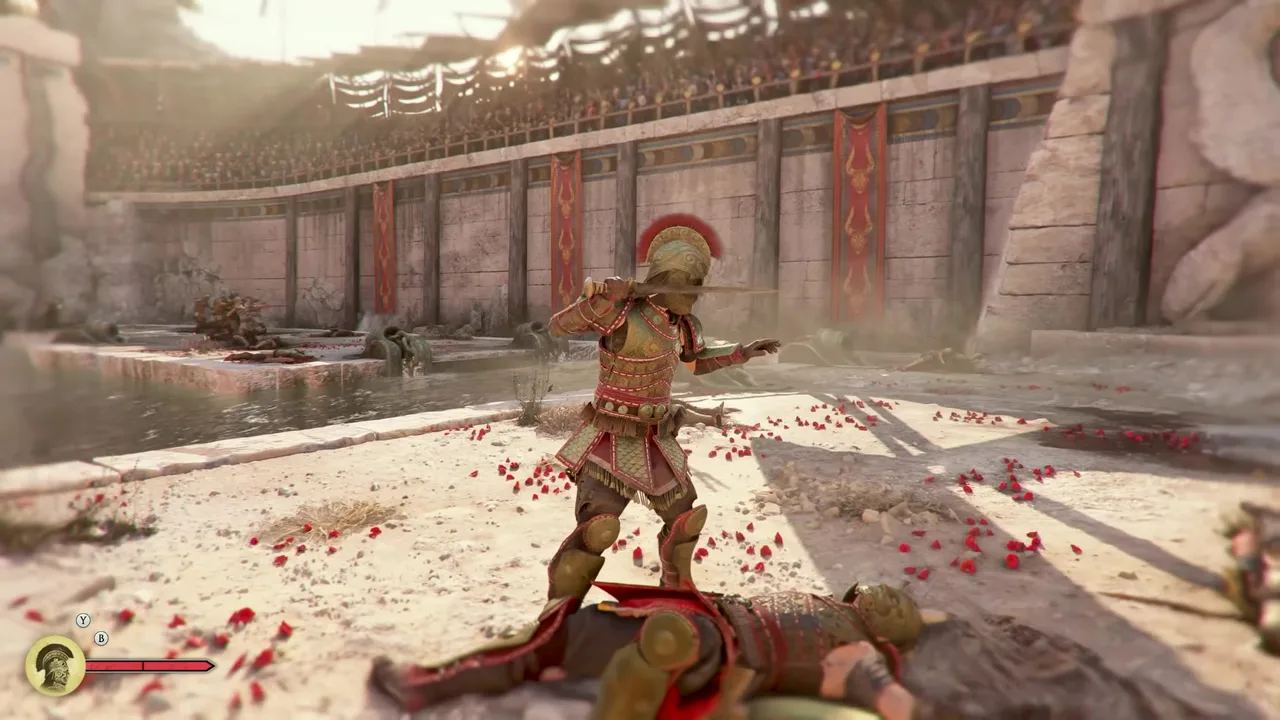
Perfect your parries, and unleash powerful strikes.
The single biggest mechanical change in Resonance: A Plague Tale Legacy is that the protagonist can fight — really fight. Asobo built a direct, dynamic melee combat system around Sophia, a trained brawler, and it’s the first time the series has treated combat as a genuine pillar rather than a last resort. This page breaks down how that system works.
The core loop
Resonance’s combat is a timing game built on three beats: parry, counter, finish.
- Parry. Deflect an incoming attack with precise timing. A good parry negates the damage and opens the enemy up.
- Counter. Land your strikes in the window the parry created. Aggression timed off a deflect is your main source of damage.
- Finish. Once an enemy is worn down, trigger a brutal finishing move to remove them from the fight for good.
If you’ve played Sekiro, the recent God of War games, or any modern parry-driven action title, the rhythm will feel familiar. The mental shift from older Plague Tale games is total: you’re no longer looking for an escape, you’re looking for an opening.
Parrying is everything
The skill the whole system rests on is the parry. Asobo’s descriptions keep emphasising perfecting your parries, and the trailers are full of deflect-and-counter exchanges. Expect a tight defensive window, distinct tells for different enemy types, and almost certainly unparryable attacks flagged by a cue that you must dodge instead. The golden rule, as in every game like this: watch the enemy’s weapon, not your own character. The timing lives in their wind-up. We go deep on this in the dedicated parry guide.
One-versus-many
Resonance deliberately puts Sophia in fights against multiple enemies at once, which is where the system gets demanding. Group fights mix enemy types — fast skirmishers, shielded soldiers, spear-users — so you can’t apply one rhythm to the whole crowd. Survival comes down to positioning: keep enemies in front of you, fight near walls and chokepoints to avoid being flanked, don’t tunnel-vision on a single target, and use finishers to thin the numbers. The full tactical breakdown lives in the combat guide.
It doesn’t replace stealth
Crucially, combat doesn’t erase the rest of the toolkit. Stealth and evasion remain, especially against the presence that hunts the island, which you survive rather than fight. And stealth feeds combat: slipping in unseen to even the odds before a group fight is often the smartest opening move. Combat and stealth are two halves of one system, not rivals.
Why it’s a gamble worth taking
Giving a stealth series a real combat system is a risk — it could trade the franchise’s signature helplessness for power fantasy. But Asobo’s design protects against that: Sophia is built from the ground up as a fighter so the combat fits her, and the human-enemy/presence split preserves the dread where it matters. Everything rides on the feel of the parry, which we can’t fully judge until launch — but the deflect-and-counter loop reads cleanly in the footage, and the intent is clearly to keep the soul while adding the body.
For practical tips, see the combat guide and parry guide; for the enemies you’ll test it on, the Cretan soldiers page.