Resonance Parry Guide — Timing, Tells & Counterattacks
Master the parry in Resonance: A Plague Tale Legacy. How parry timing works, reading enemy tells, turning deflects into damage, and the unparryable attacks you have to dodge instead.
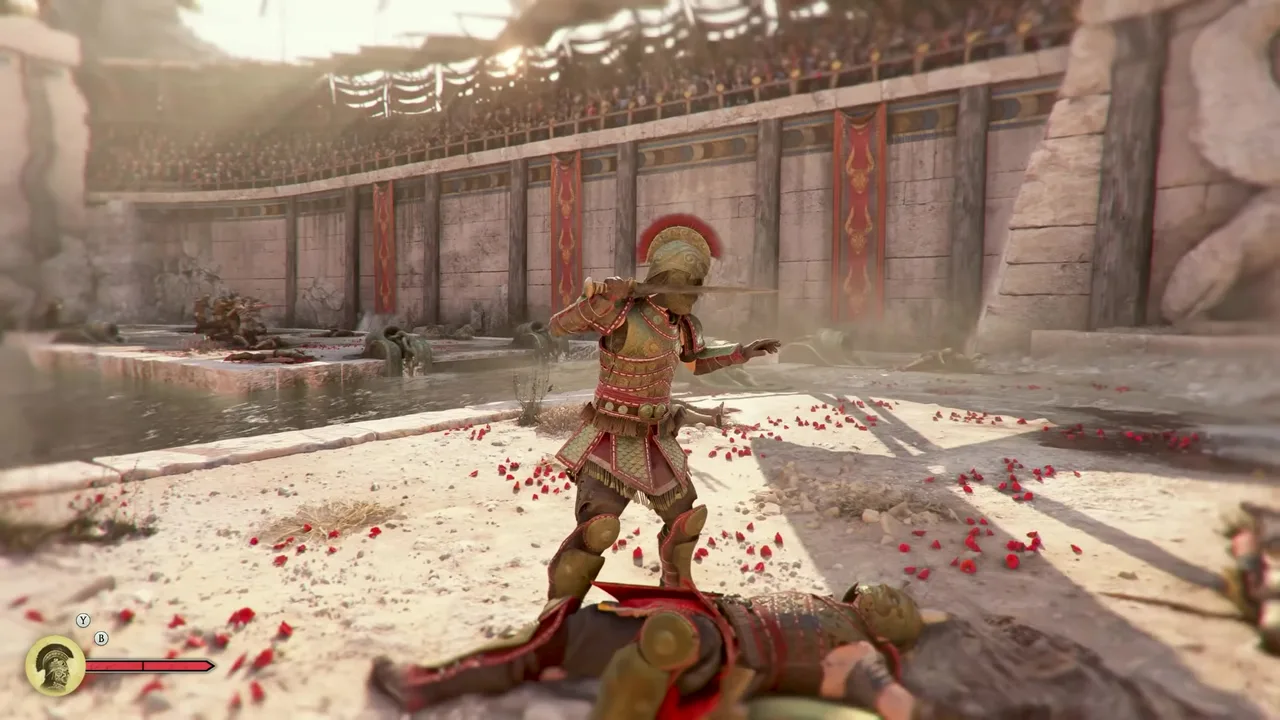
If combat is the body of Resonance, the parry is its spine. Asobo’s own descriptions of the fighting keep circling back to one instruction — perfect your parries — and the gameplay trailer is basically a highlight reel of Sophia deflecting steel and answering it with a blade of her own. Get the parry, and every other part of combat falls into place. Miss it, and you’ll spend the game getting kicked around a courtyard.
Here’s how to think about it before launch, and how to drill it once you’re playing.
What a parry actually does
A parry isn’t just defense. In a system like this, a well-timed deflect does three things at once: it negates the incoming damage, it staggers or opens the attacker, and it creates your window to counter. That’s why parry-driven combat feels so good when it clicks — you’re converting the enemy’s aggression into your opportunity. You’re not waiting your turn; you’re taking it.
The flip side is that a parry is a commitment. You’re reading an attack and answering it at a specific moment. Throw it out too early and you’ll whiff the timing; too late and you eat the hit. The whole skill is in the read.
The golden rule: watch the weapon, not yourself
The single most useful habit in any parry game, and almost certainly here: keep your eyes on the enemy’s weapon. New players instinctively watch their own character, which is exactly backwards. Sophia will do what you tell her. The information you need — when to press parry — lives entirely in the enemy’s wind-up animation.
Every attack has a tell: a shoulder dropping, a spear pulling back, a blade rising. Your job is to learn those tells so the timing becomes a rhythm rather than a reaction. Once it’s in your hands, you’ll parry on feel, not on thought.
Reading different enemy types
Based on the enemies shown — lightly armoured skirmishers, heavier shielded soldiers, spear-wielders — expect a spread of attack speeds and tells:
- Fast, light attackers come in flurries. The parry window is shorter and the rhythm quicker; don’t over-commit between deflects.
- Heavy, armoured enemies wind up slower and hit harder. The tell is bigger and the timing more generous, but the punishment for missing is brutal.
- Spear and reach weapons strike from further out and can catch you mid-approach. Parry the thrust, then close the distance while they recover.
The mistake is treating every enemy with the same timing. A group fight mixes these up deliberately, which is what makes one-versus-many encounters so dangerous.
When you can’t parry
Almost every parry system includes attacks you’re not meant to parry — usually flagged with a visual or audio cue (a flash, a colour, a sound). These are there to stop you from turtling behind a perfect block. When you see that cue, dodge or sidestep instead. Trying to parry an unparryable attack is one of the fastest ways to get punished, because you’ve committed to the wrong defensive option.
Until we’ve played the final game we can’t confirm Resonance’s exact cue, but the design pattern is so standard that you should go in expecting one and training yourself to recognise it early.
Turning parries into finishers
Parries chip away at an enemy’s stability or health, and once they’re worn down enough you can trigger a finishing move to end them outright. So the ideal loop reads: parry to create openings, counter to build pressure, and finish to close it out. In a crowd, that finish is also a breather — one fewer weapon to track.
The discipline here is patience. Don’t force a finisher on a fresh enemy or in a bad position. Build the opening honestly through parries and counters, then cash it in when you’ve got the space.
Drilling the skill
When the game launches, the fastest way to get good is repetition against early, forgiving enemies:
- Fight the first few encounters without rushing. Deliberately practise parrying instead of dodging everything.
- Pick one enemy in a group and learn its rhythm completely before worrying about the rest.
- Accept that you’ll mistime early parries — that’s the learning. The tells will become automatic faster than you expect.
Parrying is the kind of skill that feels impossible for an hour and obvious forever after. Push through the awkward part. For the wider picture of how parries fit into positioning and crowd control, head back to the full combat guide, or read the mechanical breakdown on the combat and parry system page.