Stealth & Evasion
Surviving What You Can't Fight
Stealth still matters in Resonance: A Plague Tale Legacy. How evasion, hiding and the presence that hunts the island keep the series' dread alive in a combat-forward game.
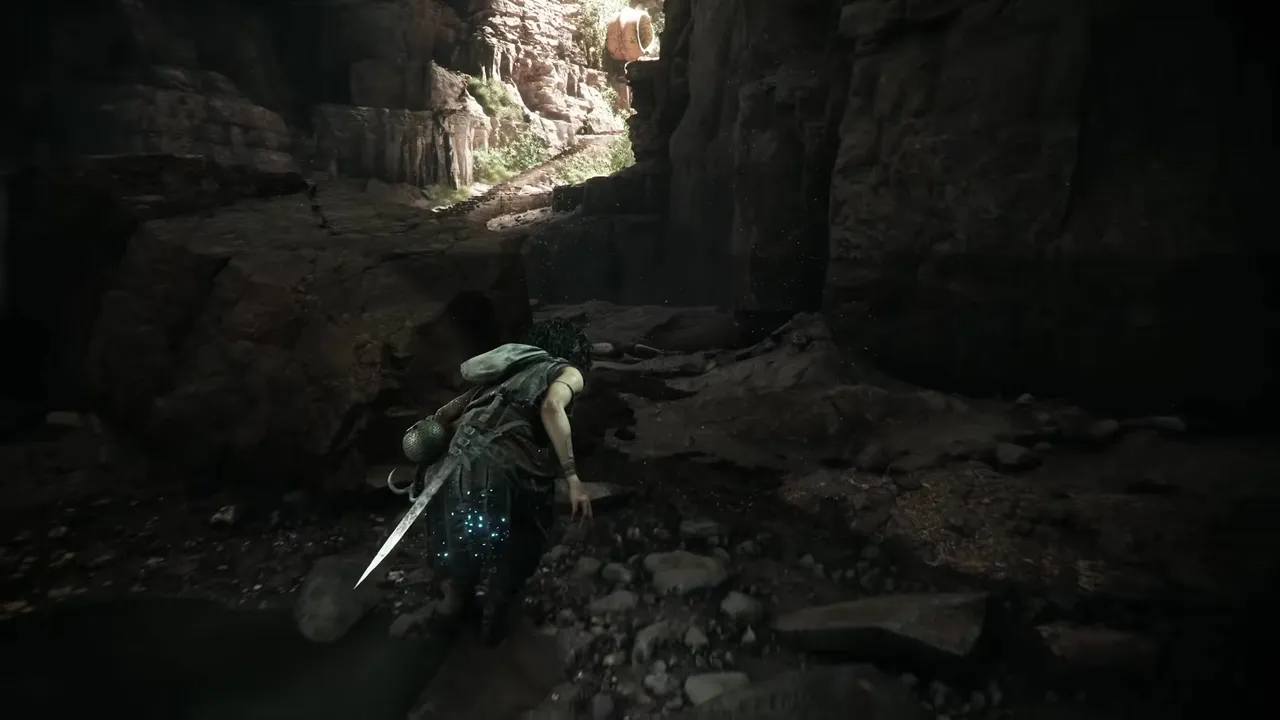
Evade a restless presence hunting through the island.
For all the talk of Resonance being the “combat” Plague Tale, the series’ soul — that held-breath, hunted dread — survives intact, and it lives in the stealth and evasion system. Asobo confirmed that Sophia must evade a restless presence hunting through the island while completing deadly trials. Some things on Crete you don’t fight. You survive them.
The two-threat design
The cleanest way to understand Resonance’s design is as a split between two kinds of threat:
- Human enemies — soldiers and hunters you can stand and fight, the targets of the combat system.
- The presence — a supernatural hunter you must flee, hide from and survive, framed explicitly as something to evade rather than confront.
That split is deliberate and clever. It gives the player power where being powerful is fun, and strips it away where helplessness is the point. The stealth system is the half that keeps the fear alive.
How evasion works
Drawing on series tradition and the trailers, the evasion toolkit centres on:
- Light and shadow. The whole game is built around light. Staying out of it, or using it to control where a threat looks, is almost certainly core to hiding.
- Cover and sightlines. Crouch behind ruins and rubble, break line of sight, move when the threat is looking away.
- Distraction and misdirection. Pull attention one way to slip the other — a series staple.
- Movement discipline. Moving carefully versus sprinting almost certainly affects how easily you’re detected.
When the presence is actively hunting, the rules tighten: keep moving in a committed direction, break line of sight constantly, don’t try to fight what the game won’t let you target, and look for the level’s intended escape route. The stealth and survival guide covers the mindset in full.
Stealth as a setup, not just an escape
Here’s the part that makes the system more than a horror mechanic: stealth also feeds combat. Against a group of human enemies, slipping in unseen lets Sophia thin the numbers quietly, even the odds, and force the rest to fight on her terms. The combat-forward design and the stealth design aren’t rivals — they’re two halves of one toolkit, and the most lethal version of Sophia is the one who chooses exactly when and where the fighting starts.
So hiding isn’t the “failure” option it sometimes was in the earlier games. It’s a tactical choice: control the ground, set the board, and decide whether this encounter is a fight or a vanishing act.
Why it matters
The fear that this combat-forward pivot would erase the series’ identity is exactly what the stealth system answers. By keeping a threat Sophia can’t fight — the presence in the dark — Asobo preserves the vulnerability that made Innocence and Requiem so tense, even as the rest of the game empowers you. Stealth and evasion are the reason Resonance can be a power fantasy in the courtyards and a horror game in the cisterns, often within minutes of each other.
For the other half of the toolkit, read the combat system page; for practical survival, the stealth guide.