Resonance Devblog Details Subverted Minoan Myth and Dual Eras
Asobo Studio reveals new details for Resonance: A Plague Tale Legacy in Devblog 3, detailing its dual-timeline setting, Cretan mythos, and Venice origins.
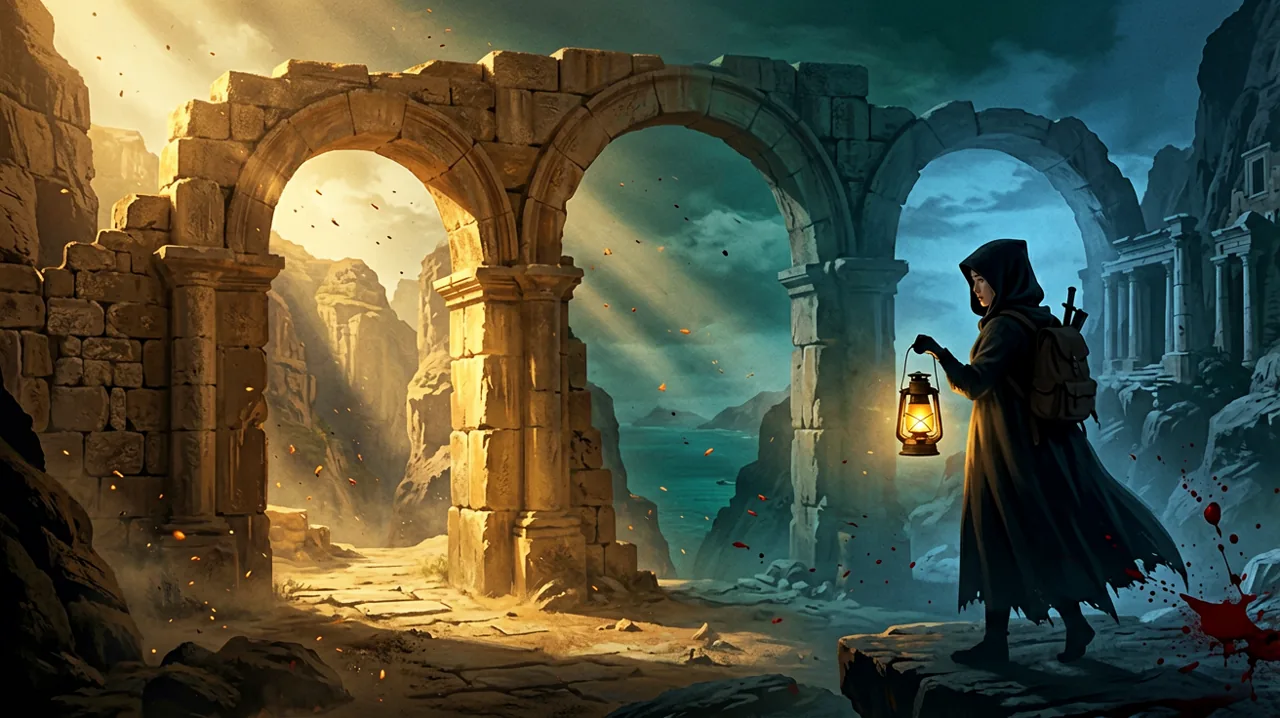
Asobo Studio has shared new narrative details for Resonance: A Plague Tale Legacy in their latest development update, Devblog #3, titled Into The Myth. This update sheds light on the creative inspirations behind the spin-off, revealing how the game links the medieval struggles of the series with ancient Greek mythology.
With the release date approaching, the developers are entering the final polishing stages, focusing on localization, debugging, and recording non-English voice lines.
The Dual Eras of Resonance
The narrative team confirmed that the game spans two distinct eras. Players will primarily control the Venetian smuggler Sophia during the early 14th century, but her journey is tied to the ancient Minoan civilization around 2,000 BC.
The plot centers on Sophia’s arrival at Crete to uncover what happened to Theseus after he entered the legendary Labyrinth. In a dark twist on the classic myth, Asobo reveals that the legendary Ariadne’s thread disappears, leaving those inside trapped within the structure. This subversion of the myth connects directly to the historical mystery of the Prima Macula curse.
From Venice to Volcanic Crete
The devblog outlines the opening locations of Sophia’s adventure. The journey starts in a raiders’ camp located within the Venice lagoons before transitioning into the iconic canal city.
From Venice, the setting moves to the main island of Crete. To build the rugged, tense environment of the Mediterranean island, the art team utilized volcanic Greek locations like Santorini and Stromboli as primary visual references. These environments will play host to the game’s light puzzles and stealth mechanics.
Atmospheric Soundtrack Teasers
Alongside the narrative updates, the community has highlighted a new atmospheric track titled Patera, composed by returning series composer Olivier Deriviere. Known for his haunting, instruments-driven scores in Innocence and Requiem, Deriviere’s latest track suggests a continuation of the series’ tense and eerie musical style, fitting for the labyrinthine ruins Sophia will navigate.
As the team prepares for final deployment, anticipation builds for how these dual timelines will merge. Read our story primer for more details on Sophia’s background, or check the preorder editions to see the launch options.