Resonance: A Plague Tale Legacy Launches Today: Metacritic 80, The 'No Rats' Debate, and Chapter Structure
Sophia's journey to Crete is finally here. We break down the launch day reviews, Asobo's bold choice to ditch the series' iconic rats, and what to expect from the reportedly 14-chapter adventure.
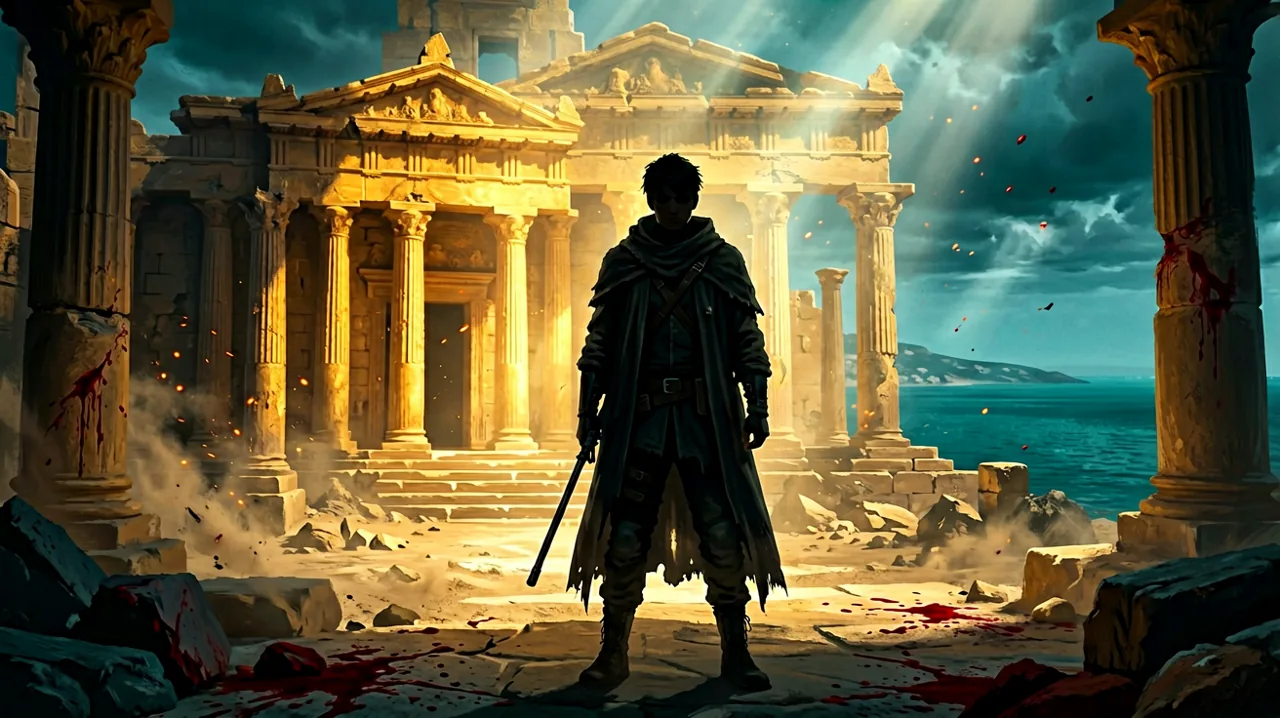
The wait is officially over. Today, August 27, 2026, Resonance: A Plague Tale Legacy is out in the wild. Asobo Studio’s highly anticipated prequel has launched globally across PlayStation 5, Xbox Series X|S, and PC via Steam and the Epic Games Store. Crucially for Xbox ecosystem players, the game is available on day one via Xbox Game Pass, making it immediately accessible to millions of subscribers.
Set in 1334—roughly 15 years before the harrowing events of A Plague Tale: Requiem—this standalone adventure leaves the muddy, plague-ridden fields of France behind. Instead, players are thrust into the sun-drenched, yet deeply sinister, island of Crete. We follow Sophia, a Venetian smuggler, as she navigates the ruins of Minotaur’s Island to uncover the buried origins of the Prima Macula.
But as reviews pour in and players boot up the game for the first time, it is clear that Resonance is not just a change of scenery. It is a fundamental mechanical shift for the franchise, one that has resulted in a Metacritic score of 80 and sparked a massive debate among the community regarding Asobo’s decision to leave the series’ most iconic element behind.
Metacritic 80: A Divisive But Fantastic Evolution
As of launch morning, Resonance: A Plague Tale Legacy holds a solid 80 on Metacritic. Reading through the critical consensus, it is obvious that Asobo has crafted a technically beautiful and narratively gripping experience. However, the score reflects a sharp divide in how reviewers are reacting to the game’s core mechanical changes.
Outlets like Pure Xbox have praised the game heavily, calling it a “Fantastic Evolution Of Action, Stealth & Exploration.” The transition to Sophia as a protagonist brings a much more aggressive, action-forward design. Unlike Amicia, who largely relied on her sling and crossbow to keep heavily armored Inquisition guards at a distance, Sophia thrives in close-quarters combat. The game introduces robust parry and execution mechanics, allowing players to engage in brutal one-on-many melee fights. For action-adventure fans, this overhaul feels incredibly satisfying and fluid. You can check out our internal combat-deep-dive for tips on mastering Sophia’s aggressive move set.
Conversely, some stealth loyalists are feeling the whiplash. Reviewers who preferred the vulnerable, hide-in-the-tall-grass tension of Innocence note that the emphasis on physical combat changes the emotional tone of survival. Push Square summarized this sentiment perfectly in their review title, calling it a “Solid Story Game without the Rats.” And that, exactly, is the elephant in the room.
The “No Rats” Controversy Explained
For years, A Plague Tale has been synonymous with one thing: millions of writhing, squeaking, terrifying rats flooding the screen. Resonance makes the incredibly bold decision to remove the swarms entirely.
In a newly published interview with PCGamesN, David Dedeine from Asobo Studio addressed this directly. He explained that ditching the rats was a deliberate attempt to “break the mold and try something else.” The developers felt that they had pushed the rat-swarm rendering technology to its absolute limit in Requiem, and relying on it for a third game ran the risk of feeling stagnant.
So, what replaces the rats? In Resonance, the environmental threat is a mysterious, unseen force referred to as the “Presence.” This entity haunts the Minoan ruins and the underground reservoirs of Crete, demanding an entirely new approach to stealth and survival. While you won’t be lighting braziers to part a sea of rodents, the game’s signature stealth-guide mechanics have pivoted toward avoiding this localized, terrifying anomaly.
Even without the physical rats, the lore of the Prima Macula remains the beating heart of the narrative. The curse is explored through its ancient roots, establishing how the Macula first manifested and how its historical trauma ripples forward to eventually curse young Hugo centuries later. For lore enthusiasts, the narrative payoffs here are expected to be massive, acting as a crucial story-primer for the entire franchise.
Chapter Progression and Early Puzzle Insights
With the game now in players’ hands, early walkthroughs and community guides are shedding light on the structural pacing of the game. According to early reports from outlets like Eurogamer and MSN, Resonance: A Plague Tale Legacy is expected to feature 14 chapters, aligning with the developers’ previously confirmed 20-hour runtime.
Puzzles play a much larger role in this prequel, largely revolving around stolen Minoan Light Orbs and ancient architectural mechanisms. Here is a spoiler-free glimpse at some of the major puzzle roadblocks players are already discussing on launch day:
-
Chapter 4: The Minotaur Statue
This chapter acts as the first real gauntlet of the game. As Sophia descends deeper into the initial trial, players must solve a massive environmental puzzle involving a golden Minotaur statue. The solution requires careful manipulation of light sources and mirrors to unlock the path forward, setting the tone for the game’s intricate dungeon design. -
Chapter 10: The Door Arrangement
Midway through the game, players are encountering a notoriously tricky door puzzle. This section relies heavily on the game’s dual-timeline “Resonance” mechanic, forcing players to think across two different eras to align ancient mechanisms with medieval decay. If you are struggling here, you will want to familiarize yourself with the mechanics detailed in our light-puzzles-guide. -
Chapter 13: As One
Late-game tension ramps up in Chapter 13, which features a massive, disorienting labyrinth. Escaping the maze requires mastering the interplay between Sophia’s physical agility and her understanding of the island’s mythological traps. -
Chapter 14: What Remains
Reportedly the final chapter of the game, walkthroughs note that this segment draws Sophia’s harrowing journey to a close. After the heart-wrenching events expected in Chapter 13, this finale supposedly delivers heavy narrative revelations tying the Minoan curse directly to the Macula we know from 14th-century France.
PC Optimization and Global Localization
For PC players, optimization is always a day-one concern. Fortunately, early benchmarks look promising, provided you tweak a few settings. Sportskeeda Tech has already published a comprehensive PC optimization guide, recommending specific visual and performance balances to maintain a stable framerate during intense melee encounters and visually heavy dual-timeline shifts. If you are playing on a mid-range rig, keeping shadows and volumetric lighting in check seems to be the key to hitting a smooth 60 FPS. You can review the baseline hardware expectations in our system-requirements overview.
On the localization front, Asobo Studio has ensured their native audience is well taken care of, with French independent gaming outlets celebrating the inclusion of full French dubbing, interface, and subtitles. Meanwhile, physical media collectors in Asia got a surprise with the release of a specialized Korean physical PS5 edition, confirming Focus Entertainment’s push for a broader global physical presence for this release.
Final Thoughts on Launch Day
Resonance: A Plague Tale Legacy is asking a lot of its established fanbase. It asks you to trade the damp, plague-infested mud of France for the golden, sunbaked marble of Crete. It asks you to trade desperate sling-shots for aggressive sword parries. Most boldly, it asks you to find terror in the unseen “Presence” rather than a sea of skittering rats.
Whether this gamble pays off will ultimately depend on what you value most in the series. If you are here for the rich historical fiction, the emotional character writing, and the deep, tragic lore of the Prima Macula, Sophia’s journey seems poised to deliver in spades.
The game is live right now. Grab your cloaks, light your Minoan Orbs, and step into the labyrinth.