Why Resonance's Combat Is the Series' Biggest Gamble — and Its Smartest
Resonance: A Plague Tale Legacy turns a stealth series into an action game with a real combat system. Here's why Asobo's pivot to Sophia's melee combat is the franchise's biggest risk — and why it might pay off.
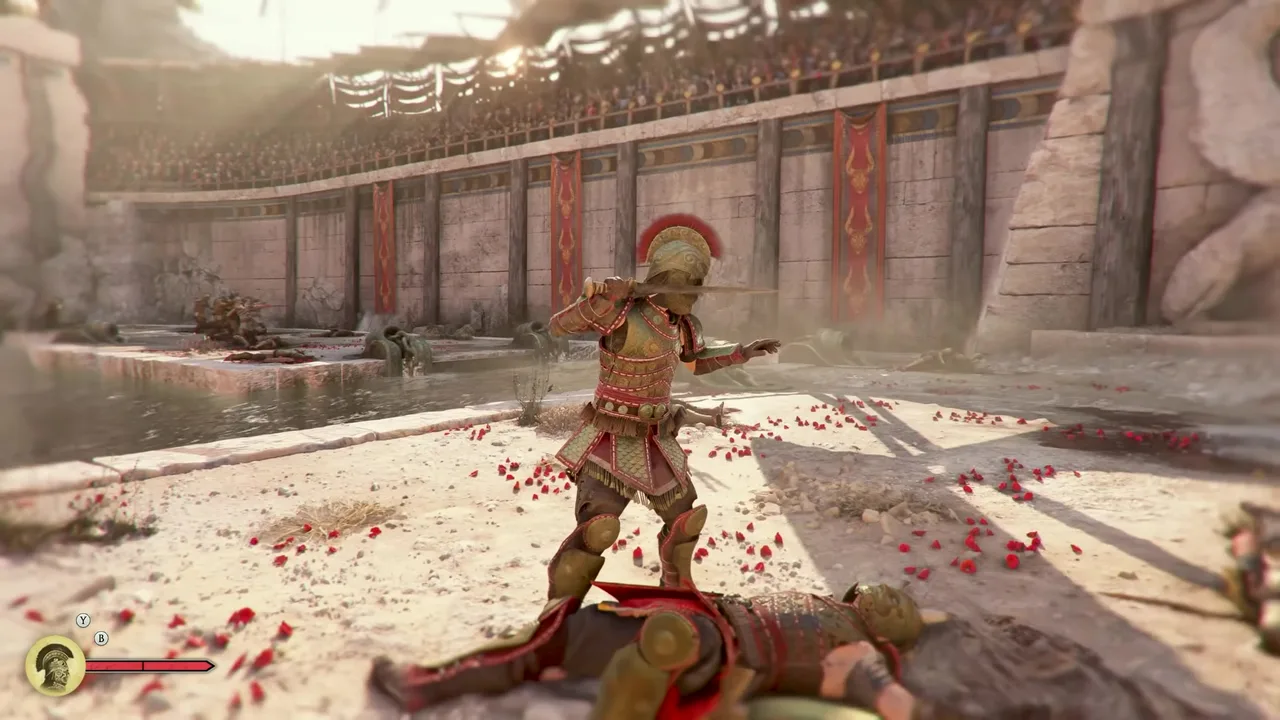
Let’s be honest about what Asobo is doing here, because it’s bolder than the trailers let on. For two games, A Plague Tale built its entire identity on helplessness. You were a teenager protecting a sick child, armed with a sling and your wits, and the horror came from being outmatched by everything — soldiers, the Inquisition, the rats. Now Resonance hands the lead a blade, a parry and a stack of finishing moves and says: go on, fight back. That’s not a tweak. That’s a reinvention of the series’ core feeling. And it’s a genuine gamble.
The risk
The danger is obvious if you think about it. The first two games were tense precisely because you couldn’t win a straight fight. Every guard was a potential death. That vulnerability is a huge part of why people love the series — it made you creep, improvise, and feel real fear. Give the protagonist a competent combat system, and you risk trading that dread for power fantasy. A capable warrior who can mow down a courtyard of soldiers is exciting, but she’s not scared, and fear was the franchise’s secret ingredient.
There’s a craft risk too. Building a satisfying melee combat system is hard. Studios that have spent a decade designing stealth-and-puzzle adventures don’t automatically know how to make parries feel weighty, enemies read clearly, and group fights stay fair. Plenty of games have stumbled trying to bolt action onto a non-action pedigree. Asobo is, in effect, entering a new genre.
Why it might be the smart move
And yet — there are strong reasons to believe this works.
First, Sophia is built for it. This isn’t Amicia suddenly becoming a swordmaster. It’s a brand-new protagonist designed from the ground up as a fighter: a smuggler raised in a Venice gang, one of its strongest. The combat fits the character rather than contradicting her. That coherence matters. You believe Sophia can fight because the game tells you that’s who she is from the first frame.
Second, the dread doesn’t have to leave. Look closely at how Asobo is framing it. Human enemies you can fight — but the island also hides a presence you must flee and survive. That split is clever. It preserves the franchise’s core horror in the encounters where you’re meant to feel helpless, while giving you agency in the encounters where being helpless would just be frustrating. You get power and fear, in different registers. If they balance it right, that’s not a loss — it’s an expansion of the emotional palette.
Third, the series needed to grow. Innocence and Requiem were excellent, but a third game of “stealth past guards, manage the rats” risked diminishing returns. A bold mechanical shift is exactly how a beloved-but-niche series avoids stagnation and reaches new players — especially with a Game Pass launch putting it in front of millions who never played the first two.
The parry is the whole bet
Everything rides on the parry. A combat system built on timed deflection lives or dies on feel — the window has to be readable, the enemy tells clear, the counter satisfying. Get it right, and the moment-to-moment becomes a lethal rhythm that’s a joy to master. Get it wrong, and the whole pivot collapses into button-mashing frustration. The trailers look promising — the deflect-and-counter loop reads cleanly — but feel is something you can’t judge from footage. This is the one thing we genuinely won’t know until controllers are in hands.
The honest verdict, for now
Resonance is the riskiest creative decision the series has made, and risk cuts both ways. If the combat feels great and the dread survives in the evasion sequences, Asobo will have pulled off a reinvention that keeps the soul and adds a body — the best possible outcome. If the parry feels mushy or the power fantasy washes out the horror, it’ll be a fascinating misstep.
But here’s why I’m optimistic: every decision around this pivot looks deliberate. The new protagonist, the human-versus-presence split, the emphasis on parry mastery rather than spectacle — these aren’t the choices of a studio carelessly chasing action trends. They’re the choices of a team that understands exactly what made its series special and is trying hard to protect it while evolving. That’s the kind of gamble worth betting on.
We’ll know for sure on August 27. Until then, read our combat guide for how to approach the new system, or the parry guide for the skill it all hinges on.