Knossos & the Minoan Palace
Heart of the Minotaur's Island
Knossos, the ancient Minoan palace on Crete, anchors the world of Resonance: A Plague Tale Legacy. Here's the real history and how it shapes Sophia's journey.
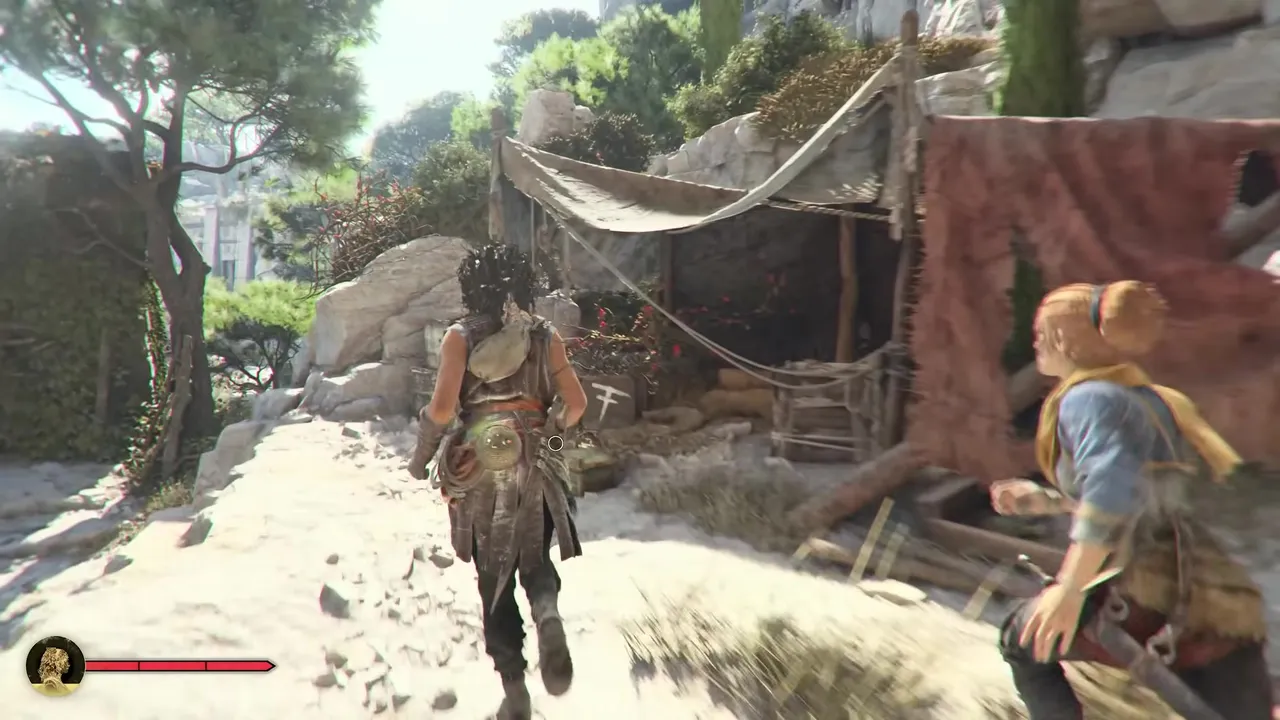
The palace where the labyrinth begins.
For the first time in the series, A Plague Tale leaves France behind — and the place it lands is one of the most storied in the ancient world. Knossos, on the island of Crete, is the great Minoan palace of legend, the seat of King Minos, and in myth the site of the labyrinth that held the Minotaur. It anchors the world of Resonance, trading the rain and mud of medieval Aquitaine for sun-bleached stone, golden light and the weight of a civilization thousands of years dead.
Setting details are drawn from the game’s framing and the Minoan history it’s built on; marked expected until the final game maps it out fully.
The real Knossos
Knossos was the centre of the Minoan civilization, Europe’s first advanced society, flourishing on Crete during the Bronze Age. Its palace complex was famous for its scale and sophistication — a sprawling, multi-storey maze of corridors, storerooms, light-wells and ceremonial spaces, decorated with vivid frescoes of bulls and processions. That labyrinthine architecture is widely thought to have inspired the myth of the labyrinth itself: a structure so complex it became legend.
The bull looms over everything here. Minoan culture was steeped in bull imagery — bull-leaping rituals, sacred horns, the bull as a symbol of power and danger. The Minotaur, half-man and half-bull, is the dark heart of that iconography, and Knossos is where the legend lives.
Knossos in Resonance
Asobo uses this setting brilliantly. Sophia’s journey takes her to the Minotaur’s island to uncover an ancient, long-buried curse, and Knossos — the palace, the ruins, the labyrinth beneath — is the natural centre of that mystery. The game’s dual-timeline lets her experience this place across two eras: the living Minoan world of antiquity and its ruined, haunted state in the 14th century. Walking the same halls in both timelines, watching what time and the curse have done to them, is exactly the kind of resonance the title promises.
Visually, Knossos transforms the series. The trailers show warm gold and green, god-rays pouring through broken roofs, dust hanging in the light, ancient mechanisms half-swallowed by ruin. It’s a radical departure from the cold palette of the earlier games, and it gives Resonance its own striking identity.
Why it matters
Setting the game at Knossos isn’t just a change of scenery — it’s a thesis. By rooting Sophia’s story in the cradle of the Minotaur myth and the Minoan age, Asobo gets to fuse Greek legend with the series’ Prima Macula mythology, asking where this ancient curse came from and how deep its roots run. Knossos is where those two stories meet: the palace of a vanished civilization, the maze of a monster, and the source of a curse that echoes all the way to Amicia and Hugo’s France.
Descend into its depths on the labyrinth page, or read about the creature it hides in the bestiary.