Exploration & Traversal
Reading the Ancient World
Resonance: A Plague Tale Legacy opens up its level design with vertical traversal and explorable ruins. Here's how exploration, climbing and hidden paths work in Sophia's journey.
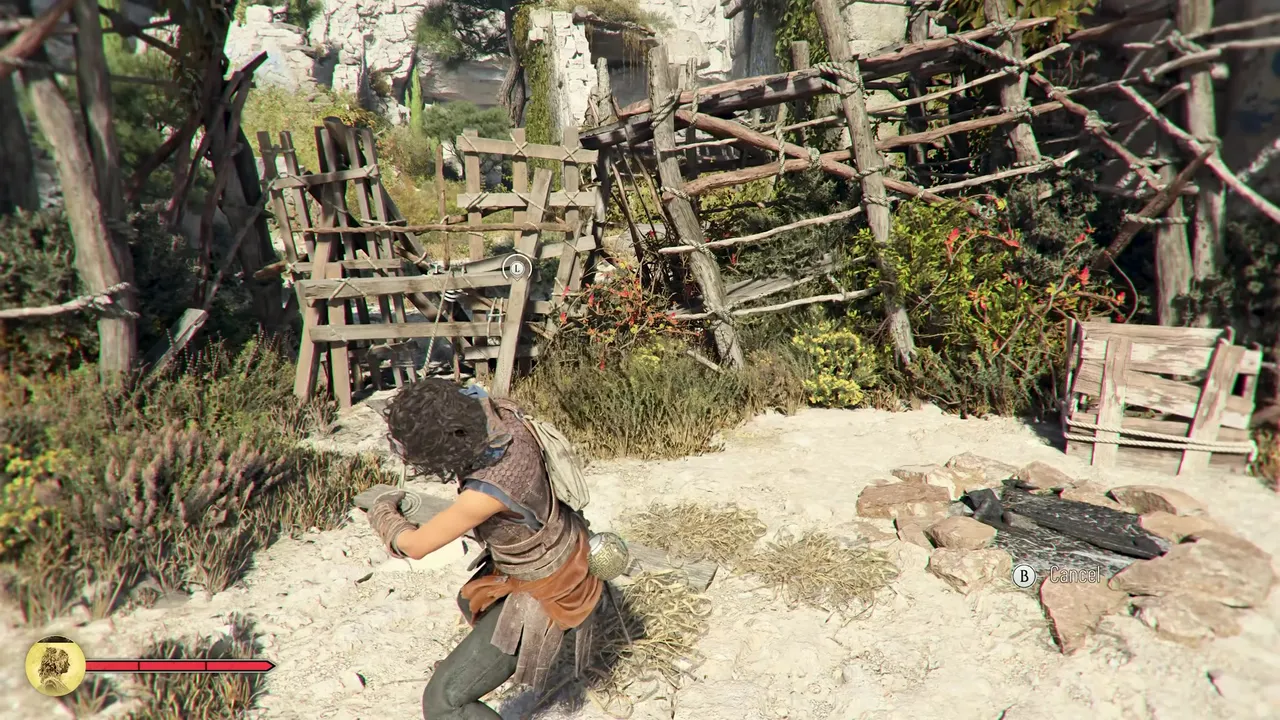
An endless labyrinth, filled with hidden paths.
Combat and puzzles get the headlines, but the connective tissue of Resonance is exploration. The game promises “an endless labyrinth, filled with hidden paths, forgotten secrets,” and the trailers show Sophia climbing, dropping and picking her way through layered Minoan ruins. This is a more open, more vertical Plague Tale than the series has offered before.
Based on trailer footage and the game’s framing; marked expected until launch confirms the scope.
More open than before
The earlier games were fairly linear — beautiful, handcrafted corridors that funnelled you forward. Resonance looks like it loosens that considerably. The Minoan ruins shown in the footage are open and vertical: collapsed columns to climb, multiple levels to navigate, broken architecture that creates routes up, over and through. It reads less like a corridor and more like a place to investigate.
That shift fits the premise. Sophia is a treasure hunter exploring an island full of ancient secrets — exploration isn’t incidental to her, it’s her whole character. Giving the player wider, climbable spaces to poke around in matches who she is and what she’s doing on Crete.
Reading the environment
The core skill of exploration here is reading the space. In ruins like these, the path forward isn’t always obvious — you have to look for the ledge you can reach, the gap you can slip through, the route the architecture allows. The trailers show Sophia scanning her surroundings and finding ways through that aren’t signposted. Expect traversal to reward observation: noticing handholds, spotting where light falls, recognising the difference between decoration and a usable path.
This ties directly into the light puzzles too. Often the “puzzle” and the “traversal” blur together — manipulating light to reveal or create a route, then climbing it. Exploration, puzzle-solving and traversal form a single loop of understand the space, change the space, move through the space.
Rewards for curiosity
If series tradition holds — and the “hidden paths, forgotten secrets” framing strongly suggests it does — exploring off the critical path will pay off. Expect:
- Resources and collectibles tucked into side rooms and dead ends.
- Lore and story fragments that flesh out the Minoan history and the Prima Macula’s roots.
- Optional discoveries that reward players who treat the ruins as a place to investigate rather than a route to rush.
The advice for players is simple: slow down and look around. The main path will always be there. The good stuff is usually a little to the side.
Why it matters
Opening up the level design does more than add collectibles — it changes the feeling of the game. Wider, vertical, explorable spaces give Resonance room to breathe between its combat and horror beats, and they let the gorgeous Minoan ruins and labyrinth function as places you inhabit rather than backdrops you pass. For a game built on the resonance between an ancient world and a ruined one, being able to actually explore that world is the point.
Read about the spaces you’ll explore on the Minoan ruins and labyrinth pages, or how the light puzzles within them work in the light puzzle guide.